πŸ•·οΈ Lone Star Tick

Amblyomma americanum Β· Acari: Ixodidae

The lone star tick doesn't transmit Lyme disease β€” but it causes something arguably worse in some people: a permanent red meat allergy triggered by its saliva.

Lone Star TickAlpha-GalIxodidaeRange ExpansionEhrlichiosisRed Meat Allergy
πŸ•·οΈ
Risk Level
Alpha-Gal Vector
πŸ“ FIELD GUIDE ILLUSTRATION
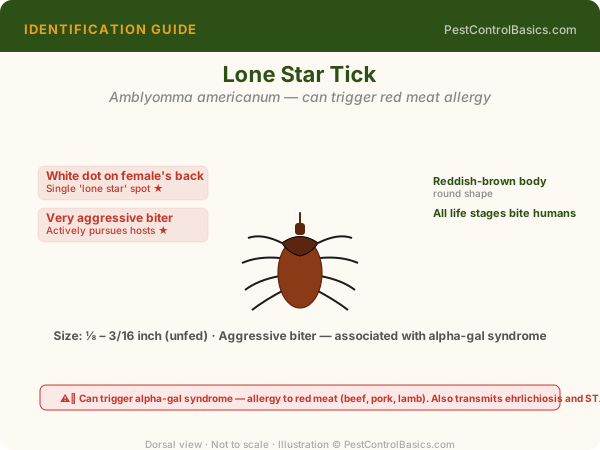
Lone star tick (Amblyomma americanum) identification illustration with labeled anatomical features β€” PestControlBasics.com

Original illustration by PestControlBasics.com. Use the labeled features above to confirm your identification.

πŸ”¬
PestControlBasics Editorial Team
Reviewed by Derek Giordano Β· Updated 2026

πŸ” Identification

Adults: 4-6mm; females have a distinctive single white spot on the back (the 'lone star' β€” diagnostic). Nymphs and larvae are aggressive biters in large numbers ('seed ticks'). Actively seeks hosts β€” unlike deer ticks that wait on vegetation, lone star ticks will crawl toward hosts. Found in wooded and brushy areas throughout the eastern US, expanding significantly northward since 2000.

🧬 Biology & Behavior

2026 range: established throughout the southeast, mid-Atlantic, and midwest β€” expanding into New England, the upper midwest, and now documented in parts of Minnesota and Michigan. Diseases transmitted: ehrlichiosis, STARI (Southern Tick-Associated Rash Illness), tularemia. Unique: alpha-gal syndrome β€” its saliva contains alpha-gal sugar that sensitizes the human immune system to red meat. Reactions to beef, pork, and lamb appear hours after eating, causing hives, anaphylaxis, or GI distress.

⚠️ Damage & Health Risk

Ehrlichiosis (flu-like illness, potentially serious); STARI rash; tularemia; alpha-gal syndrome (lifelong red meat allergy triggered by tick bite); aggressive multi-tick bites from larval seed tick clusters.

πŸ”§ DIY Treatment

Permethrin-treated clothing; DEET or picaridin on skin; daily tick checks; bifenthrin lawn edge spray in May and September. For seed tick swarms: immediately remove all clothing, shower, and inspect thoroughly β€” larval lone star ticks are nearly invisible and attack in hundreds from a single hatching.

πŸ‘· When to Call a Pro

Professional tick management programs β€” bifenthrin spray plus tick tubes β€” reduce lone star tick populations by 70-80% in treated areas.

❓ FAQ

Does the lone star tick cause Lyme disease?
No β€” the lone star tick does not transmit Borrelia burgdorferi (Lyme disease). However, it does cause a Lyme-like rash called STARI (Southern Tick-Associated Rash Illness) and transmits ehrlichiosis, tularemia, and uniquely, alpha-gal syndrome. People who develop a red meat allergy after living in lone star tick territory should discuss alpha-gal testing with their doctor.
What is alpha-gal syndrome?
Alpha-gal syndrome is a delayed allergic reaction to red meat (beef, pork, lamb) triggered by sensitization from lone star tick saliva. Symptoms appear 2-6 hours after eating red meat: hives, GI distress, or anaphylaxis. Reactions are unpredictable in severity. There is no cure β€” management is avoidance of red meat. The allergy sometimes fades over years without additional tick bites.
🧪 Recommended Treatment Products
Permethrin Clothing Repellent Comparison DEET Picaridin Metarhizium (Biological)
Full product guides with mixing rates and safety info. → Browse All 130 Pesticide Guides
πŸ“š Sources: CDC Tick Prevention Β· CDC Lyme Disease
Published: Jan 1, 2025 Β· Updated: Apr 7, 2026

πŸ—ΊοΈ US Distribution β€” Lone Star Tick

image/svg+xml
Common Occasional Not Present
States Present
49
Occasional
2
Primary Region
Continental US
πŸ“Š Source: University extension services, USDA, CDC vector data, and published entomological surveys.