HomePest LibraryLone Star Tick
Aggressive Host-Seeker — Southeast & Midwest
🕷

Lone Star Tick

Amblyomma americanum

Unlike deer ticks that wait passively on vegetation, lone star ticks actively follow scent trails and chase hosts — a behavior called "questing with locomotion." The female has a distinctive white spot on her back. Their bite can trigger alpha-gal syndrome, a potentially lifelong red meat and mammalian product allergy.

BehaviorActively follows movement — hunts hosts
Female IDSingle white spot on back
Alpha-gal riskCan trigger red meat allergy — lifelong
Disease riskEhrlichiosis, Heartland virus, STARI
RangeSoutheast, Mid-Atlantic, Midwest — expanding
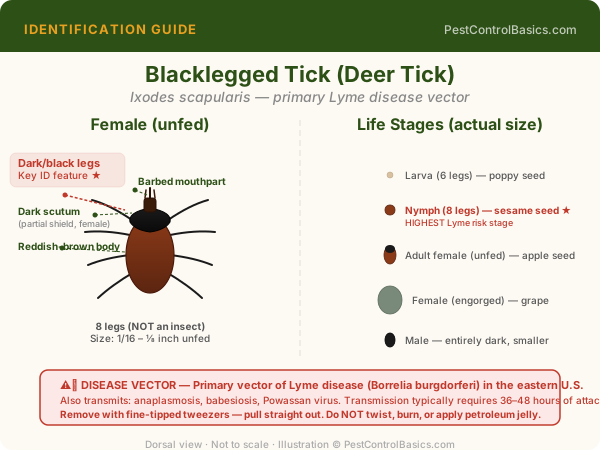
📐 FIELD GUIDE ILLUSTRATION
Blacklegged tick / deer tick (Ixodes scapularis) identification illustration with labeled anatomical features — PestControlBasics.com

Original illustration by PestControlBasics.com. Use anatomical labels above to confirm your identification.

🔍 Identification Photo

Use this photo to confirm your identification. Click to enlarge. Correct ID is the essential first step to effective treatment.

Lone star tick (Amblyomma americanum) — single white spot on female; bite can trigger alpha-gal syndrome, a red meat all

Lone star tick (Amblyomma americanum) — single white spot on female; bite can trigger alpha-gal syndrome, a red meat allergy lasting years or life

📷 Wikipedia / Wikimedia Commons / CC BY-SA

⚠️ Photo loaded live from Wikipedia/Wikimedia Commons (CC BY-SA). Appearance varies by region, age, and sex. When uncertain, contact a licensed pest professional.

Identification

The white spot and aggressive behavior

The lone star tick gets its name from the single white spot (or "lone star") in the center of the female's back — one of the clearest identifying features of any U.S. tick species. Males have a different appearance: white decorative markings around the outer edge of the body rather than a single central spot.

Aggressive questing behavior: Most tick species practice "passive questing" — they climb to the tip of a grass blade or leaf and wait with outstretched front legs for a host to brush past. Lone star ticks are different: they detect host-produced chemicals (carbon dioxide, body heat, volatile fatty acids) and actively run toward the source. They can travel several feet pursuing a potential host. This behavior makes them particularly difficult to avoid in heavily infested areas.

Range expansion: Historically associated with the Southeast and South-Central U.S., lone star ticks have been expanding northward and westward for decades. They are now established well into the Midwest and Mid-Atlantic states and are increasingly found in New England.

Alpha-Gal Syndrome

The red meat allergy connection

Alpha-gal syndrome (AGS) is a tick-bite-triggered allergy to alpha-galactose — a carbohydrate found in the tissues of most mammals except humans and other primates. Lone star tick saliva appears to sensitize the immune system to alpha-gal, and subsequent exposure to red meat (beef, pork, lamb, venison) or other mammalian products (dairy, gelatin) can trigger delayed allergic reactions ranging from hives and gastrointestinal symptoms to life-threatening anaphylaxis.

What makes AGS particularly unusual: the allergic reaction is delayed — typically occurring 3–6 hours after eating the triggering food, making the connection to food hard to identify. Many patients suffer multiple reactions before the diagnosis is made.

AGS may be permanent. Current evidence suggests that avoiding subsequent lone star tick bites may allow some patients to gradually lose their sensitivity over years, but re-exposure reliably triggers re-sensitization.

Prevention is the only strategy: No treatment prevents AGS after sensitization — only bite prevention through permethrin clothing, DEET, tick checks, and avoiding heavy tick habitat.

💡 Ehrlichiosis — The Other Disease Risk

Ehrlichiosis (caused by Ehrlichia chaffeensis) is the primary bacterial infection transmitted by lone star ticks. Symptoms: fever, headache, and muscle aches appearing 1–2 weeks after a bite. Treated with doxycycline. Milder than RMSF but still requires prompt treatment. Report any flu-like illness following a tick bite to your doctor and mention the exposure.

Quick Reference
Female IDSingle white spot/dot on center of back
Male IDWhite decorative markings around edge
SizeSimilar to deer tick — up to 1/4 inch fed
Active seasonSpring through fall — longer than deer ticks
Questing behaviorActively runs toward hosts — not passive
Disease riskEhrlichiosis, Heartland virus, STARI
Alpha-gal?Yes — bites can trigger mammalian product allergy
RangeSoutheast, South-Central, expanding North and West
AI Bug Identifier →Find a Pro →
Lone Star Tick
Lone Star Tick

Frequently Asked Questions

How do I know if I have Lone Star Tick?

Signs of Lone Star Tick include physical sightings, droppings or frass, damage to food or materials, and unusual odors. Inspect hidden areas like wall voids, behind appliances, and in storage spaces. A flashlight inspection after dark is often most revealing.

Are Lone Star Tick dangerous to humans or pets?

Lone Star Tick can pose health risks including bites, allergic reactions, food contamination, and disease transmission. Children, elderly, and pets are especially vulnerable. Consult a pest management professional when an infestation is confirmed.

Can I eliminate Lone Star Tick myself?

Light infestations may be manageable with DIY baits, traps, and targeted treatments. Established infestations typically require professional intervention. Misapplied products often scatter pests and worsen the problem long-term.

How long does Lone Star Tick treatment take?

Timelines vary by infestation size and method. Baits may take 1–4 weeks to work through a colony. Chemical treatments often require 2–3 applications spaced 2–4 weeks apart. Monitor for 30–60 days after treatment to confirm elimination.

What attracts Lone Star Tick to my home?

Lone Star Tick are typically drawn by food sources, standing moisture, warmth, and shelter. Sealing entry points, reducing clutter, fixing leaks, and storing food in airtight containers are the most effective long-term prevention measures.

🧪 Recommended Treatment Products
Permethrin Clothing Repellent Comparison DEET Picaridin Metarhizium (Biological)
Full product guides with mixing rates and safety info. → Browse All 130 Pesticide Guides

Related Resources

📚 Full Pest Library🧪 DIY vs. Pro Quiz💰 Cost Guide🌿 IPM Guide🔍 Find a Pro
🔗 Related Pests
Rocky Mountain Spotted Fever American Dog Tick Ticks
Compare similar pests to confirm your identification. → Use our ID Flowchart
🔮
Reviewed by Derek GiordanoContent on PestControlBasics.com is developed with input from certified pest management professionals and cross-referenced against EPA, CDC, and university extension guidance. Last reviewed: April 2026.
📚 Sources: CDC Tick Prevention · CDC Lyme Disease
Published: Jan 1, 2025 · Updated: Apr 7, 2026

🗺️ US Distribution — Lone Star Tick

image/svg+xml
Common Occasional Not Present
States Present
49
Occasional
2
Primary Region
Continental US
📊 Source: University extension services, USDA, CDC vector data, and published entomological surveys.