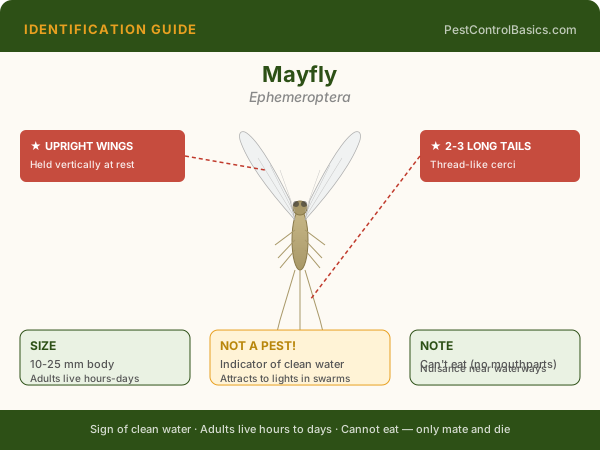
Illustrated identification guide — PestControlBasics.com
🔍 Identification
Adults: delicate 15-30mm; two pairs of wings (front much larger); long forked tail filaments; pale yellowish to brown; large compound eyes. They cannot feed — adults have vestigial, non-functional mouthparts. Emerge in massive synchronized flights from aquatic larval stage. Found near rivers, lakes, and ponds.
🧬 Biology & Behavior
Mayfly nymphs (naiads) live 1-3 years in clean water, feeding on algae and detritus. Adults emerge synchronously — millions in a single night — to mate and die. Adults live 24-72 hours maximum (the genus name means 'living a day'). Egg-laying is immediate; all adults die within days. The biomass of mayfly emergences is ecologically significant — massive food input for fish, birds, and bats.
⚠️ Damage & Health Risk
No biting, no stinging, no disease, no structural damage. The nuisance is purely physical: roads becoming slippery with crushed mayflies, lights attracting massive numbers, odor from decomposing adults. They don't damage structures or reproduce indoors.
🔧 DIY Treatment
Reduce exterior lighting during emergence (late June-July in most of the Midwest and Northeast). Switch to yellow/sodium vapor bulbs. Use a leaf blower or snow shovel for accumulations on surfaces (surprisingly heavy). Street departments in river towns maintain sweepers during peak emergence weeks.
👷 When to Call a Pro
Never warranted — mayfly populations cannot be controlled and shouldn't be. They're one of the best water quality indicators: large mayfly emergences mean clean water.