πŸ¦‹ Mayfly

Hexagenia limbata / Ephemeroptera spp. Β· Ephemeroptera

Mayfly mass emergences are one of nature's most spectacular (and sometimes alarming) events β€” millions of insects appearing seemingly from nowhere, covering buildings and making roads slippery.

AquaticEphemeropteraBeneficialSeasonalMass EmergenceHarmless
πŸ¦‹
Risk Level
Seasonal Nuisance
πŸ”¬
PestControlBasics Editorial Team
Reviewed by Derek Giordano Β· Updated 2026
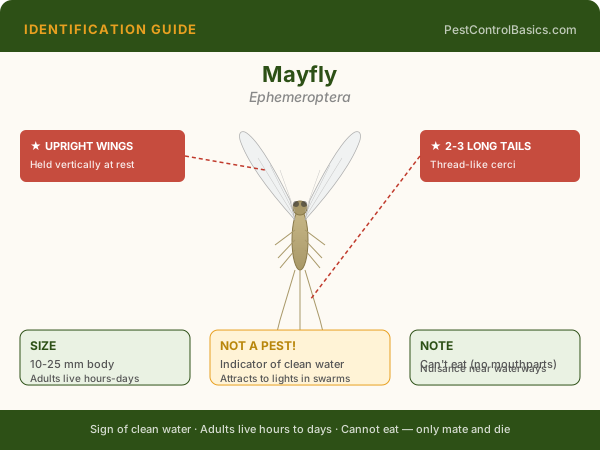
Mayfly identification guide illustration

Illustrated identification guide β€” PestControlBasics.com

πŸ” Identification

Adults: delicate 15-30mm; two pairs of wings (front much larger); long forked tail filaments; pale yellowish to brown; large compound eyes. They cannot feed β€” adults have vestigial, non-functional mouthparts. Emerge in massive synchronized flights from aquatic larval stage. Found near rivers, lakes, and ponds.

🧬 Biology & Behavior

Mayfly nymphs (naiads) live 1-3 years in clean water, feeding on algae and detritus. Adults emerge synchronously β€” millions in a single night β€” to mate and die. Adults live 24-72 hours maximum (the genus name means 'living a day'). Egg-laying is immediate; all adults die within days. The biomass of mayfly emergences is ecologically significant β€” massive food input for fish, birds, and bats.

⚠️ Damage & Health Risk

No biting, no stinging, no disease, no structural damage. The nuisance is purely physical: roads becoming slippery with crushed mayflies, lights attracting massive numbers, odor from decomposing adults. They don't damage structures or reproduce indoors.

πŸ”§ DIY Treatment

Reduce exterior lighting during emergence (late June-July in most of the Midwest and Northeast). Switch to yellow/sodium vapor bulbs. Use a leaf blower or snow shovel for accumulations on surfaces (surprisingly heavy). Street departments in river towns maintain sweepers during peak emergence weeks.

πŸ‘· When to Call a Pro

Never warranted β€” mayfly populations cannot be controlled and shouldn't be. They're one of the best water quality indicators: large mayfly emergences mean clean water.

❓ FAQ

Do mayflies bite?
No β€” adult mayflies have vestigial, non-functional mouthparts and cannot eat or bite. They exist as adults solely to mate and die. They're completely harmless.
Why do so many mayflies emerge at once?
Synchronized emergence (swarming) is an evolved anti-predator strategy called 'predator swamping' β€” emerging in such numbers that predators are overwhelmed and can't catch all of them. Even if birds, fish, and bats eat thousands, millions survive to mate.

πŸ—ΊοΈ Geographic Range & Distribution

FactorDetails
U.S. RangeAll or most U.S. states
Regional DetailDistribution varies β€” consult your local extension service for regional prevalence data.

πŸ“… Treatment Timing Guide

Treating at the right time dramatically improves results. Pest control timed to the life cycle uses less product and achieves better long-term control.

PeriodAction
SpringInspection and perimeter treatment before pest season starts.
SummerActive monitoring and targeted treatments as needed.
FallPreventive treatment before overwintering pests seek entry.

πŸ’° Professional Treatment Costs

Service TypeDIY CostProfessional Cost
Initial inspectionFree (self-inspect)$75–$150 (often credited to treatment)
One-time treatment$30–$100 in materials$150–$500
Annual service contractN/A$400–$900/year
Severe infestationOften ineffective alone$500–$2,500+

Prices vary by region, property size, and infestation severity.

❓ Common Questions About πŸ¦‹ Mayfly

How do I confirm I actually have this pest (not something similar)?
The most reliable confirmation is a physical specimen β€” capture one and compare to reference images on this page. For cryptic pests (bed bugs, termites), look for secondary signs: frass, shed skins, mud tubes, or bites with a specific pattern. When uncertain, a professional inspection is faster than months of misidentification.
Can I treat this myself or do I need a professional?
DIY is effective for small, accessible infestations caught early. Professionals are worth the cost when: the infestation is inside wall voids or structural elements, multiple rooms are affected, you have health-risk pests (hantavirus, venomous species), or DIY has already failed twice.
How long until the infestation is completely gone?
Expect 3–8 weeks for most infestations with proper treatment. Insects with dormant life stages (pupae, eggs) extend the timeline because those stages are impervious to most insecticides. Follow-up treatments at 2 and 4 weeks catch each new cohort as they emerge.
What's the most common mistake people make treating this pest?
Treating only the visible pest population while ignoring the harborage site, entry point, or breeding location. Killing adults provides temporary relief but the population rebuilds from hidden egg cases, pupae, or new arrivals through unaddressed entry points.

πŸ“š More on This Topic

Related guides and profiles:

πŸ”— Fruit FlyπŸ”— House FlyπŸ”— πŸ› Whitefly β€” Species Guide & ControlπŸ”— πŸͺ° Drain Fly
πŸ“š Sources: EPA Termite Guide Β· NPMA Termite Info
Published: Jan 1, 2025 Β· Updated: Apr 7, 2026

πŸ—ΊοΈ US Distribution β€” Mayfly

image/svg+xml
Common Occasional Not Present
States Present
49
Occasional
2
Primary Region
Continental US
πŸ“Š Source: University extension services, USDA, CDC vector data, and published entomological surveys.