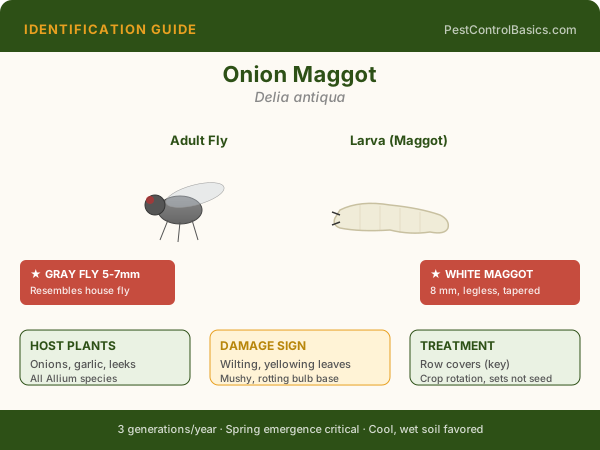
Illustrated identification guide — PestControlBasics.com
🔍 Identification
Adults: small grey flies resembling house flies; 5-7mm. Larvae (maggots): white, legless; found in plant roots. Onion Maggot (D. antiqua): attacks onions, leeks, and garlic — plants yellow and collapse. Cabbage Maggot (D. radicum): attacks brassica roots — plants wilt and die. Turnip Maggot (D. floralis): attacks fall brassicas.
🧬 Biology & Behavior
Adult flies emerge in spring and lay eggs in the soil at the base of host plants. Larvae burrow into roots and feed for 3-4 weeks. Multiple generations: spring (most damaging to early crops), summer, and fall generations. Timing of adult flight correlates with plant emergence — flies find host plants by volatile compounds.
⚠️ Damage & Health Risk
Root destruction causing wilting, yellowing, and plant death; secondary bacterial soft rots entering through damaged roots; complete crop losses in unprotected plantings in high-pressure areas.
🔧 DIY Treatment
Row covers placed immediately at transplanting (before adult flies arrive) provide complete physical exclusion — the most effective organic management. Crop rotation (2+ years away from host crops). Beneficial nematodes (Steinernema feltiae) applied to soil target larvae. Parasitic wasps (Aleochara bilineata) as biological control.
👷 When to Call a Pro
Commercial onion and brassica production uses combination approaches: nematode soil drench, row covers on transplants, and monitoring with yellow sticky traps for adult activity.