Illustrated identification guide — PestControlBasics.com
🔍 Identification
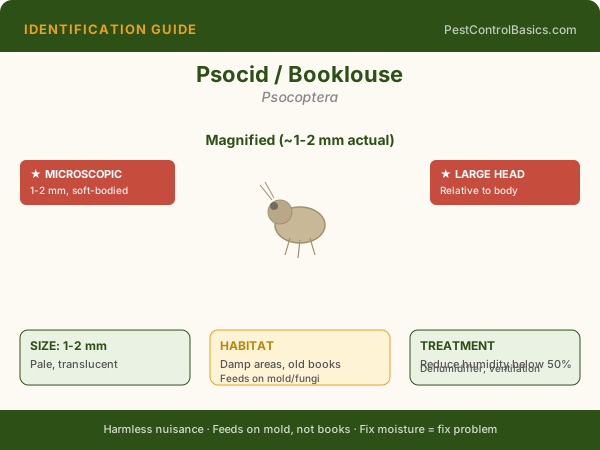
1-1.5mm; pale/translucent; soft-bodied; six legs; large compound eyes relative to body size; move rapidly. Found on: surfaces of damp books and paper, in stored grain and flour products, behind wallpaper in humid rooms, in new construction before drying. Sometimes confused with book mites or grain mites.
🧬 Biology & Behavior
Psocids feed on mold, fungi, pollen, and organic particles. They reproduce rapidly in high humidity (above 60% RH). They cannot survive below 40% relative humidity — dehumidification alone eliminates them. They infest new construction (wet lumber), humid basements, old books, and any grain or paper product in a humid environment.
⚠️ Damage & Health Risk
Damage to paper products (books, documents, labels) through feeding; psychological disturbance from tiny insects in pantry; no health risk, no structural damage, no biting.
🔧 DIY Treatment
Reduce humidity below 50% with a dehumidifier — this alone resolves most psocid problems. Air out damp books. Discard infested grain products. Apply residual spray to shelving if numbers are high. Seal any moisture entry.
👷 When to Call a Pro
Rarely warranted alone. If psocids are severe in new construction, the building's moisture levels may need professional assessment.