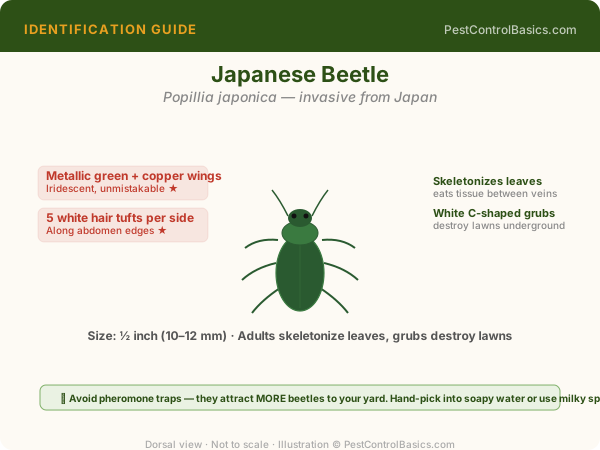
Original illustration by PestControlBasics.com. Use anatomical labels above to confirm your identification.
🔍 Identification
Elongated body with very short elytra (wing covers) exposing most of the abdomen — distinctive appearance that leads to earwig confusion. Range from 1mm to 35mm. Most are black or dark brown. Move quickly and may raise abdomen when threatened (scorpion-like posture).
Paederus species: The dangerous exception. These rove beetles contain pederin — a potent toxin that causes severe blistering contact dermatitis when crushed on skin. Found in Florida, California, and warm coastal areas.
🧬 Biology & Behavior
Most rove beetles are predators of soil pests, decomposing matter, and other insects — extremely beneficial in gardens and agriculture. Paederus species don't bite but crushing them against skin releases pederin, which causes blistering within 12-36 hours.
⚠️ Damage & Health Risk
Most rove beetles: no concern, beneficial. Paederus rove beetles: crushing on skin causes 'rove beetle dermatitis' — intense blistering, redness, and pain similar to a severe burn. Heal in 1-3 weeks but can be severe around eyes.
🔧 DIY Treatment
For most rove beetles: no treatment needed. If Paederus is suspected in your area (warm coastal regions), use the 'blow, don't crush' approach — blow beetles off skin rather than swatting. If skin contact occurs with crushed beetle: wash thoroughly with soap and water immediately; see a doctor if blistering develops.
👷 When to Call a Pro
Rarely needed for rove beetles.