πŸ¦‹ Spotted Lanternfly Host Plant Guide

Halyomorpha halys Β· Hemiptera: Fulgoridae

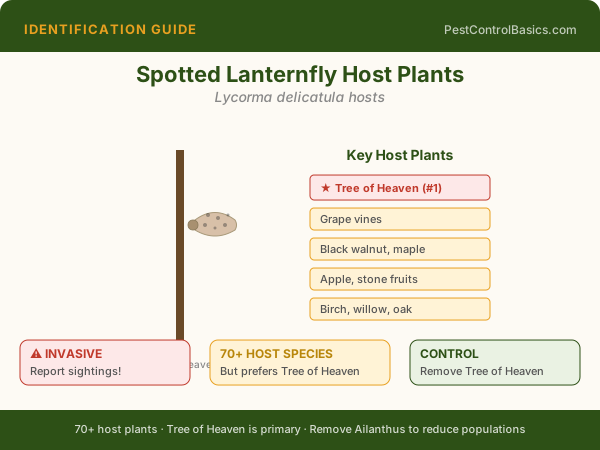
Spotted lanternfly feeds on 70+ plant species. Ailanthus is preferred but its absence doesn't prevent SLF feeding on grapes, hops, apple, cherry, and many ornamentals.

Spotted LanternflyHost PlantsGrapeAilanthusAgriculture70+ Species
πŸ¦‹
Risk Level
Host Plant Reference
πŸ”¬
PestControlBasics Editorial Team
Reviewed by Derek Giordano Β· Updated 2026
Spotted Lanternfly Host Plants identification guide illustration

Illustrated identification guide β€” PestControlBasics.com

πŸ” Identification

Preferred hosts (highest damage): Ailanthus altissima (tree of heaven) β€” most preferred. Grape (Vitis) β€” severe agricultural concern. Hops β€” economic losses documented. Apple, peach, cherry β€” commercial fruit production impacts. Commonly attacked: Maple (Acer), birch, lilac, rose, wisteria, walnut, oak, poplar, willow. Less preferred: Most other deciduous trees and shrubs. Does NOT attack: Conifers (pine, spruce, hemlock) β€” SLF is essentially absent from conifer species.

🧬 Biology & Behavior

SLF feeding is highest on the primary hosts (Ailanthus, grape, hops) in summer. By fall, SLF aggregates on large-diameter tree trunks regardless of species for energy accumulation before winter. The economic concern: grape and hop production losses in the mid-Atlantic have been significant and are increasing as SLF expands its range. Hops are the most economically impacted crop per acre.

⚠️ Damage & Health Risk

Agricultural losses in grape and hop production; weakening of ornamental plants from feeding; honeydew accumulation promoting sooty mold; economic losses expanding with range.

πŸ”§ DIY Treatment

Remove Ailanthus (primary host). Bifenthrin or permethrin spray on nymphs on tree trunks May-July. Circle traps on high-value ornamental trees and grape arbors. Egg mass scraping in fall. For grape: professional spray programs.

πŸ‘· When to Call a Pro

Commercial grape and hop production: licensed CCA/PCA programs with timing based on local degree-day monitoring.

❓ FAQ

If I remove all the Ailanthus from my property, will SLF go away?
Not completely β€” SLF will shift to using maple, birch, and other non-Ailanthus hosts, but populations will generally be lower. Removing Ailanthus from your property is still the single most impactful action because it eliminates the preferred host that sustains the highest population densities.
Does spotted lanternfly damage mature trees?
Established mature trees typically survive SLF feeding without dying β€” they lose vigor and produce honeydew/sooty mold but recover. Young trees and grapevines are more vulnerable to significant damage. The primary economic concern is commercial grape and hop production, not landscape tree mortality.

πŸ—ΊοΈ Geographic Range & Distribution

FactorDetails
U.S. RangeAll 50 states
Regional DetailFire ants limited to Southeast/Southwest. Carpenter ants: Northeast and Pacific Northwest. Pavement ants: nationwide. Argentine ants: California and South.

πŸ“… Treatment Timing Guide

Treating at the right time dramatically improves results. Pest control timed to the life cycle uses less product and achieves better long-term control.

PeriodAction
February–MarchApply perimeter treatment before spring colonies emerge.
June–AugustPeak foraging season β€” bait stations most effective now.
SeptemberPre-winter perimeter treatment to prevent fall invasions.

πŸ’° Professional Treatment Costs

Service TypeDIY CostProfessional Cost
Initial inspectionFree (self-inspect)$75–$150 (often credited to treatment)
One-time treatment$30–$100 in materials$150–$500
Annual service contractN/A$400–$900/year
Severe infestationOften ineffective alone$500–$2,500+

Prices vary by region, property size, and infestation severity.

❓ Common Questions About πŸ¦‹ Spotted Lanternfly Host Plant Guide

How do I confirm I actually have this pest (not something similar)?
The most reliable confirmation is a physical specimen β€” capture one and compare to reference images on this page. For cryptic pests (bed bugs, termites), look for secondary signs: frass, shed skins, mud tubes, or bites with a specific pattern. When uncertain, a professional inspection is faster than months of misidentification.
Can I treat this myself or do I need a professional?
DIY is effective for small, accessible infestations caught early. Professionals are worth the cost when: the infestation is inside wall voids or structural elements, multiple rooms are affected, you have health-risk pests (hantavirus, venomous species), or DIY has already failed twice.
How long until the infestation is completely gone?
Expect 3–8 weeks for most infestations with proper treatment. Insects with dormant life stages (pupae, eggs) extend the timeline because those stages are impervious to most insecticides. Follow-up treatments at 2 and 4 weeks catch each new cohort as they emerge.
What's the most common mistake people make treating this pest?
Treating only the visible pest population while ignoring the harborage site, entry point, or breeding location. Killing adults provides temporary relief but the population rebuilds from hidden egg cases, pupae, or new arrivals through unaddressed entry points.

πŸ“š More on This Topic

Related guides and profiles:

πŸ”— Hantavirus β€” Safe Rodent CleanupπŸ”— Red ImportedFire AntπŸ”— Pavement, Odorous House, Argentine & Little Black AntsπŸ”— 🐜 Odorous House Ant (OHA)
πŸ“š Sources: Texas A&M Fire Ant Project Β· EPA Safe Pest Control
Published: Jan 1, 2025 Β· Updated: Apr 7, 2026

πŸ—ΊοΈ US Distribution β€” Spotted Lanternfly Host Plants

image/svg+xml
Common Occasional Not Present
States Present
10
Occasional
8
Primary Region
Mid-Atlantic (spreading)
πŸ“Š Source: University extension services, USDA, CDC vector data, and published entomological surveys.