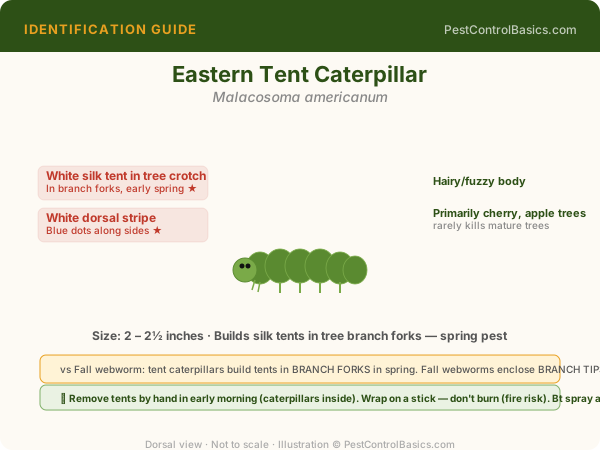
Original illustration by PestControlBasics.com. Use the labeled features above to confirm your identification.
🔍 Identification
Western Tent Caterpillar (M. californicum): Blue head; lateral blue and orange stripes; builds tents in wild cherries, apple, and other trees in western US and Canada. Forest Tent Caterpillar (M. disstria): Blue with white keyhole-shaped spots down back; distinctive — does NOT build tents (misnamed); forages widely across forests; attacks aspen, oak, and many northern forest species.
🧬 Biology & Behavior
Both species overwinter as eggs in egg masses on twigs. Hatch in spring at bud break. Forest tent caterpillar forms bivouac clusters on bark rather than silk tents — hence the misnomer. Populations cycle dramatically — outbreak years followed by collapse from nuclear polyhedrosis virus and parasitoid pressure.
⚠️ Damage & Health Risk
Defoliation of host trees (usually not fatal to established trees); aesthetic damage; forest tent caterpillar outbreaks can cover millions of acres; mass larval migration in outbreak years when food is exhausted (they cross roads in numbers).
🔧 DIY Treatment
Bt kurstaki spray when larvae are small. Spinosad spray. Egg mass removal during fall/winter (egg masses look like styrofoam rings around twigs). Populations usually collapse naturally within 2-3 years due to viral disease.
👷 When to Call a Pro
Forest-scale outbreaks are not manageable at the individual property level — contact your state forestry agency for large-scale programs.