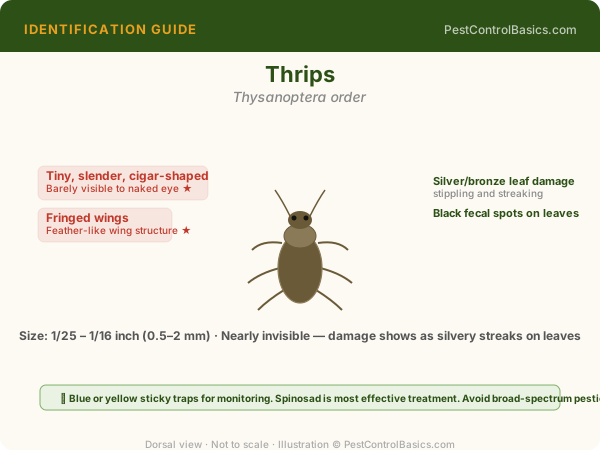
Original illustration by PestControlBasics.com. Use the labeled features above to confirm your identification.
🔍 Identification
Adults: 1-2mm; slender; fringed wings; yellow to dark brown depending on species. Damage: silver or white streaking on petals and leaves (the rasping feeding removes cells); dark fecal spots on petals; malformed or scarred fruit; flowers that fail to open normally. Found inside flower buds and folded leaves — protected from most spray treatments. Western flower thrips (Frankliniella occidentalis) is the primary species of concern.
🧬 Biology & Behavior
Western flower thrips transmit Tomato spotted wilt virus (TSWV) — one of the most economically devastating plant viruses in commercial horticulture. TSWV has a host range of 1,000+ plant species and causes billions in annual crop losses. Once transmitted, no treatment cures the virus. Thrips also transmit Impatiens necrotic spot virus (INSV) and Iris yellow spot virus. Resistance to insecticides in western flower thrips populations is widespread and a major management challenge.
⚠️ Damage & Health Risk
Petal and leaf scarring reducing ornamental value; flower distortion; fruit scarring; transmission of devastating plant viruses (TSWV, INSV); economic losses in commercial floriculture and vegetable production.
🔧 DIY Treatment
Blue or yellow sticky traps for monitoring. Spinosad spray — the most effective homeowner option for thrips. Insecticidal soap kills on contact but requires complete coverage inside flower buds. Neem oil. For resistant populations: spirotetramat or abamectin. Biological control: predatory mites (Neoseiulus cucumeris) for greenhouse and indoor settings.
👷 When to Call a Pro
Commercial floriculture: strict resistance management rotating between spinosad, abamectin, spirotetramat, and cyantraniliprole to manage western flower thrips resistance — consult University Extension for current resistance profiles in your region.