πŸ•·οΈ Two-Spotted Spider Mite

Tetranychus urticae Β· Acari: Tetranychidae

The two-spotted spider mite is the most damaging spider mite species worldwide β€” attacking over 200 plant species. In hot dry summer weather, populations can double every 3-5 days.

Spider MiteTetranychidaeHeatResistanceTwo-SpottedUniversal
πŸ•·οΈ
Risk Level
Universal Plant Pest
πŸ“ FIELD GUIDE ILLUSTRATION
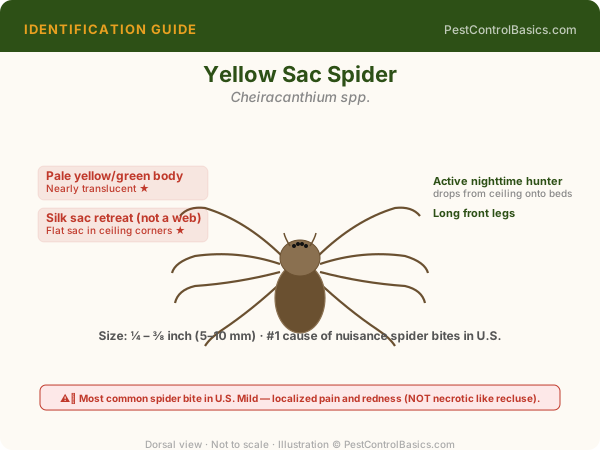
Yellow Sac Spider (Cheiracanthium spp.) identification illustration with labeled anatomical features β€” PestControlBasics.com

Original illustration by PestControlBasics.com. Use anatomical labels above to confirm your identification.
πŸ“ FIELD GUIDE ILLUSTRATION
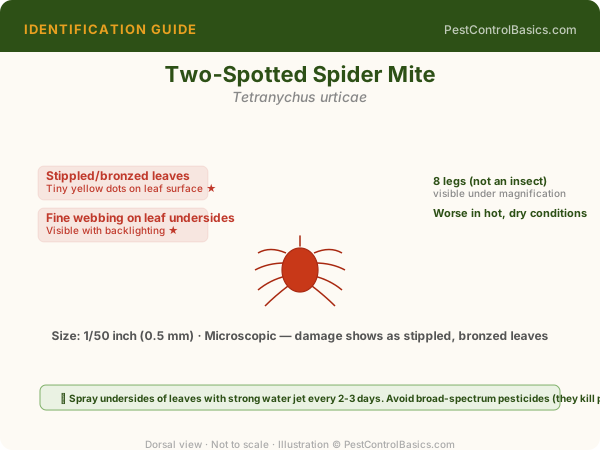
Spider Mite (Tetranychidae) identification illustration with labeled anatomical features β€” PestControlBasics.com

Original illustration by PestControlBasics.com. Use anatomical labels above to confirm your identification.
πŸ“ FIELD GUIDE ILLUSTRATION
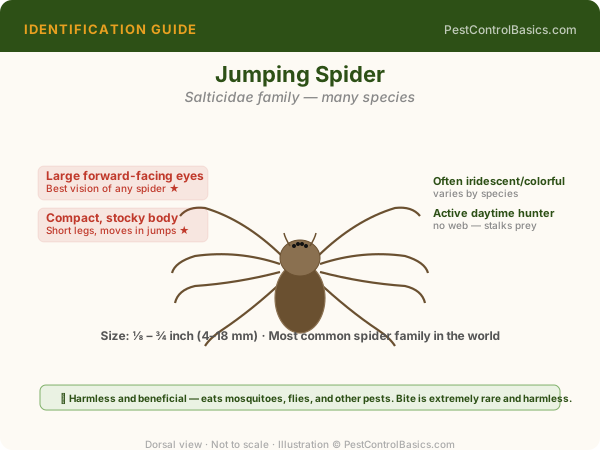
Jumping Spider (Salticidae) identification illustration with labeled anatomical features β€” PestControlBasics.com

Original illustration by PestControlBasics.com. Use anatomical labels above to confirm your identification.
πŸ“ FIELD GUIDE ILLUSTRATION
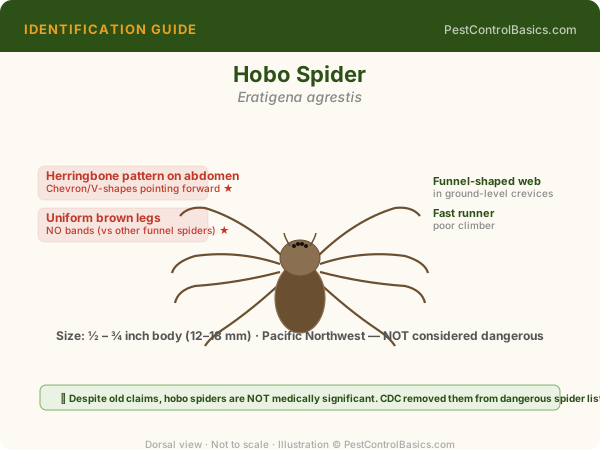
Hobo Spider (Eudioptilus agrestis) identification illustration with labeled anatomical features β€” PestControlBasics.com

Original illustration by PestControlBasics.com. Use anatomical labels above to confirm your identification.
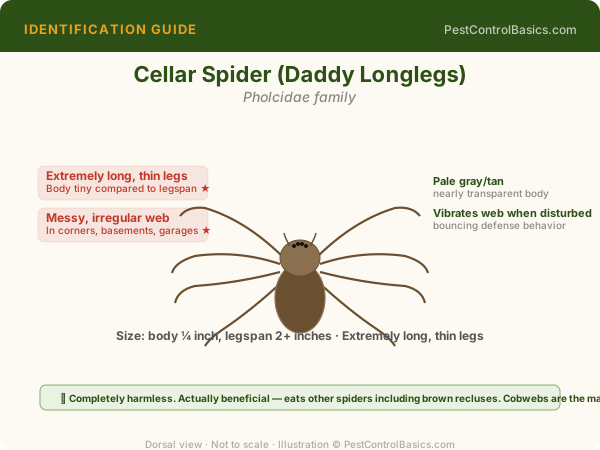
πŸ“ FIELD GUIDE ILLUSTRATION
Cellar Spider (Pholcidae) identification illustration with labeled anatomical features β€” PestControlBasics.com

Original illustration by PestControlBasics.com. Use anatomical labels above to confirm your identification.

πŸ”¬
PestControlBasics Editorial Team
Reviewed by Derek Giordano Β· Updated 2026

πŸ” Identification

Adults: 0.4mm β€” barely visible to naked eye; greenish-yellow with two dark dorsal spots (the spots are gut contents visible through translucent body); found on leaf undersides in fine webbing. Damage: stippled, bronzed, or yellowing leaves; fine webbing on leaf undersides and between leaves (distinctive); leaf drop in severe cases. Paper test: tap leaves over white paper β€” moving dots confirm mites.

🧬 Biology & Behavior

At 70Β°F: egg to adult in 14 days. At 90Β°F: egg to adult in 5 days. Population doubling time: 3-5 days in optimal conditions. This explosive growth rate means a mild infestation in June becomes plant-killing in July during heat waves. Pesticide resistance is widespread in T. urticae β€” many populations have resistance to abamectin, bifenazate, and organophosphates. Rotate modes of action always.

⚠️ Damage & Health Risk

Leaf stippling and bronzing; reduced photosynthesis; premature defoliation; plant death in severe infestations on susceptible crops; economic losses in vegetable, ornamental, and greenhouse production.

πŸ”§ DIY Treatment

Forceful water spray dislodges mites and eggs β€” effective on small plants. Insecticidal soap (2-3%) on leaf undersides. Neem oil spray. Miticide rotation: bifenazate (Floramite) β†’ spiromesifen (Forbid) β†’ abamectin (Avid) β€” never repeat the same product. Biological control: predatory mites (Phytoseiulus persimilis, Neoseiulus californicus) in greenhouses.

πŸ‘· When to Call a Pro

Commercial: strict resistance management with miticide rotation; predatory mite release programs in greenhouse production.

❓ FAQ

How do I know if I have spider mites or some other problem?
The paper test: hold white paper under affected leaves and tap sharply. Tiny moving dots are spider mites. No movement but dots = possibly dust or spores. Also check leaf undersides for fine silky webbing β€” this is diagnostic for spider mites. The stippled, bronzed appearance plus underside webbing confirms spider mites without magnification.
Why don't my sprays kill spider mites?
Two-spotted spider mite has documented resistance to most miticide classes in many regions due to years of selection pressure. If bifenthrin (a pyrethroid) isn't working, it's almost certainly resistance β€” pyrethroids have poor miticide activity anyway. The effective options: insecticidal soap (contact), spiromesifen (systemic, good resistance profile), abamectin (if not previously used). Rotate modes of action on every application.
πŸ“š Sources: CDC Venomous Spiders Β· EPA Safe Pest Control
Published: Jan 1, 2025 Β· Updated: Apr 7, 2026
🧪 Recommended Treatment Products
Bifenthrin Deltamethrin Diatomaceous Earth Peppermint Oil Formulation Guide
Full product guides with mixing rates and safety info. → Browse All 130 Pesticide Guides

πŸ—ΊοΈ US Distribution β€” Two-Spotted Spider Mite

image/svg+xml
Common Occasional Not Present
States Present
49
Occasional
2
Primary Region
Continental US
πŸ“Š Source: University extension services, USDA, CDC vector data, and published entomological surveys.