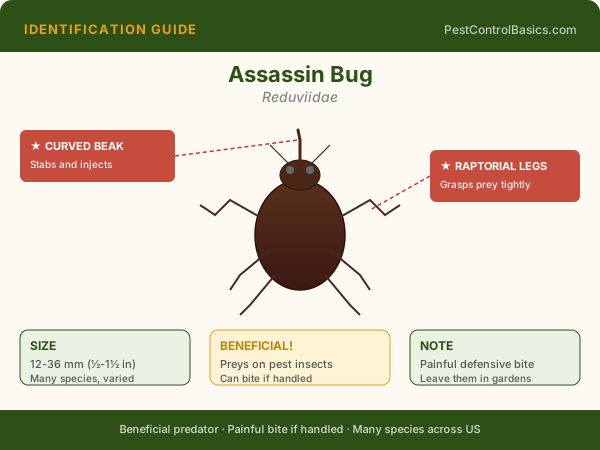
Illustrated identification guide — PestControlBasics.com
🔍 Identification
Large Milkweed Bug (Oncopeltus fasciatus): 10-18mm; brilliant orange and black; feeds on milkweed seeds.
Small Milkweed Bug (Lygaeus kalmii): 10-12mm; red and black; different pattern from large milkweed bug.
Red Milkweed Beetle (Tetraopes tetrophthalmus): 10-15mm; red with black spots; long antennae; adult feeds on milkweed flowers.
Milkweed Aphid (Aphis nerii): 1.5-2mm; brilliant yellow; always in dense clusters on milkweed stems.
🧬 Biology & Behavior
All these species are specialists on milkweed — they can tolerate the toxic cardiac glycosides (cardenolides) that deter most other insects. By sequestering these toxins, they become toxic to birds and predators, explaining their warning coloration (orange/red and black).
⚠️ Damage & Health Risk
Minimal to no damage — they feed on milkweed seeds and flowers, not causing significant harm to healthy plants. Their presence actually indicates healthy milkweed habitat. Exception: heavy milkweed aphid infestations can stress plants, but natural predators usually keep them in check.
🔧 DIY Treatment
No treatment needed or appropriate for milkweed bugs or beetles. For milkweed aphids on plants you're managing for monarch butterflies: use strong water spray to dislodge (avoids insecticides that kill monarch larvae).
👷 When to Call a Pro
Never warranted for these beneficial milkweed specialists.