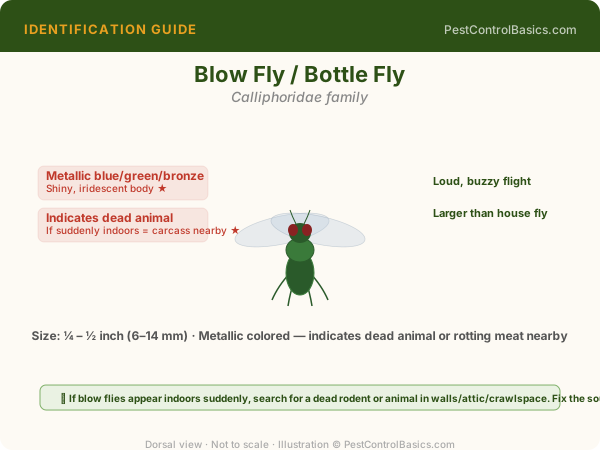
Original illustration by PestControlBasics.com. Use the labeled features above to confirm your identification.
🔍 Identification
Calliphoridae flies are 8-14mm with a distinctive metallic sheen: bright metallic blue (Calliphora), brilliant metallic green (Lucilia 'greenbottle'), or shiny black-green (Phormia). Large, buzzing flight; attracted to light. Found clustering near windows after emerging from an indoor breeding site.
🧬 Biology & Behavior
Blow flies are attracted to dead animals from remarkable distances (up to 1-2 miles) by the odor of decomposition. Females lay eggs on the carcass immediately; maggots develop in 3-7 days. If you're finding blow flies inside, they've emerged from a dead animal — a rodent, bird, or squirrel — somewhere in the structure. The flies emerge through gaps when development is complete.
⚠️ Damage & Health Risk
Significant nuisance; indicator of a decomposing animal that needs to be found and removed; potential contamination risk from flies moving to food surfaces after breeding in carrion.
🔧 DIY Treatment
Finding the carcass is the priority. Check: inside wall voids (listen for buzzing near outlets), attic and crawl space, under floors, inside fireplace/chimney, and any area where rodents or wildlife were known to be active. Once removed: ventilate thoroughly; apply odor-eliminating enzyme treatment to affected area. Fly traps can catch remaining adults but won't eliminate without carcass removal.
👷 When to Call a Pro
If the carcass is inside inaccessible walls or structural voids, a professional wildlife control operator can locate and remove it. This is worth the cost — blow flies emerging for 2+ weeks indicate significant decomposition.