πŸͺ° Cluster Fly

Pollenia rudis Β· Diptera: Polleniidae

Cluster flies spend the winter inside wall voids in enormous clusters β€” emerging on warm winter days confused by indoor heat. Understanding their lifecycle explains why September treatment is essential.

FlyDipteraFall InvaderWall VoidPolleniidaeEarthworm Parasite
πŸͺ°
Risk Level
Fall/Winter Invader
πŸ“ FIELD GUIDE ILLUSTRATION
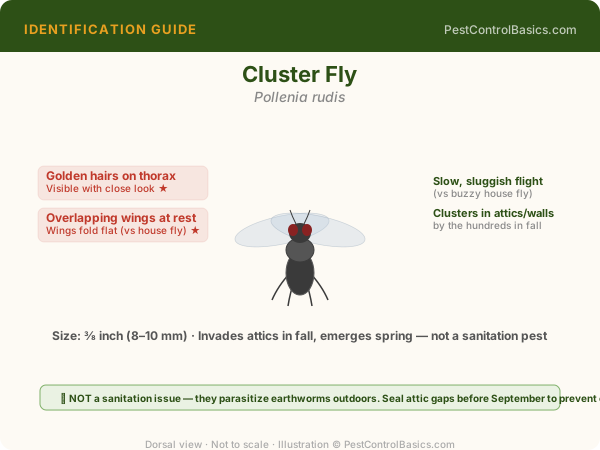
Cluster Fly (Pollenia rudis) identification illustration with labeled anatomical features β€” PestControlBasics.com

Original illustration by PestControlBasics.com. Use anatomical labels above to confirm your identification.

πŸ”¬
PestControlBasics Editorial Team
Reviewed by Derek Giordano Β· Updated 2026

πŸ” Identification

Adults: 8-10mm; dark grey; soft golden hairs on thorax (visible close-up); slightly larger and darker than house flies; sluggish movement. Emerge on warm winter days from wall voids, often in large numbers. Found inside windows, struggling to get out. Distinctive: when resting, wings overlap completely (scissor-like) unlike house flies which hold wings at an angle.

🧬 Biology & Behavior

Cluster fly larvae are parasites of earthworms β€” the adult fly finds earthworms in soil, lays eggs near them, and larvae tunnel into earthworms to develop. Adults emerge in late summer, feed on flower nectar, then seek overwintering sites in September-October. They prefer older buildings with natural siding. Aggregation pheromones bring them back to the same structures year after year.

⚠️ Damage & Health Risk

Large numbers emerging indoors on warm winter or early spring days; clusters of dead or sluggish flies at windows; faint sweet smell from aggregations in wall voids; staining from crushed flies.

πŸ”§ DIY Treatment

September exterior spray (bifenthrin or lambda-cyhalothrin) on south and west-facing walls before aggregation begins. Seal attic vents and gaps where flies enter. Use a light trap or vacuum for indoor individuals. Don't spray walls inside β€” cluster flies in walls die naturally and emerge dead in spring.

πŸ‘· When to Call a Pro

For buildings with persistent severe invasions, professional late-summer perimeter spray is highly effective.

❓ FAQ

Why do I get cluster flies in winter?
Cluster flies entered your walls in September-October and are overwintering there. Warm indoor temperatures confused them β€” they emerge thinking it's spring. They can't bite, sting, breed indoors, or damage anything. Use a vacuum to remove them and seal the room gaps they're entering through.
Why does the same building get cluster flies every year?
Aggregation pheromones β€” flies leaving overwintering sites deposit chemical signals that guide future generations to the same location. The pheromone persists on building surfaces over winter. This is why the same structures are invaded year after year regardless of changes in earthworm populations.
🧪 Recommended Treatment Products
Pyrethrin Aerosol Bti (Drain/Fungus Gnats) IPM Guide
Full product guides with mixing rates and safety info. → Browse All 130 Pesticide Guides
🔗 Related Pests
House Fly Mexican Fruit Fly Robber Fly Horse Fly Eye Gnat Shore Fly
Compare similar pests to confirm your identification. → Use our ID Flowchart
πŸ“š Sources: EPA Safe Pest Control Β· NPMA Pest Guide
Published: Jan 1, 2025 Β· Updated: Apr 7, 2026

πŸ—ΊοΈ US Distribution β€” Cluster Fly

image/svg+xml
Common Occasional Not Present
States Present
25
Occasional
10
Primary Region
Northern US
πŸ“Š Source: University extension services, USDA, CDC vector data, and published entomological surveys.