🐝 Bumble Bee β€” Ground Nesting

Bombus spp. Β· Hymenoptera: Apidae

A bumble bee nest in your lawn is one of the most valuable pollinator habitats you can have. Here's how to coexist safely for the colony's 3-4 month lifespan.

Bumble BeeBeneficialGround NestNative PollinatorApidaeAnnual Colony
🐝
Risk Level
Beneficial Native Pollinator
πŸ”¬
PestControlBasics Editorial Team
Reviewed by Derek Giordano Β· Updated 2026
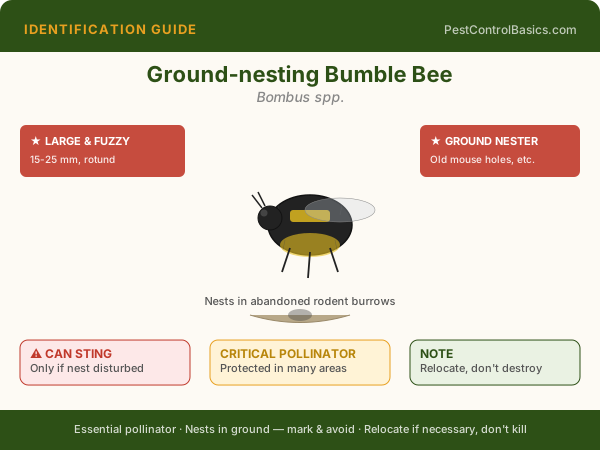
Bumble Bee Ground Nesting identification guide illustration

Illustrated identification guide β€” PestControlBasics.com

πŸ” Identification

Adults: 15-25mm; robust and fuzzy; yellow and black banding (patterns vary by species); slow fliers; generally non-aggressive. Ground nests: hole in soil or lawn (often in abandoned rodent burrows), surrounded by dead grass or matted vegetation; 50-400 workers at peak; no external paper nest visible. Bumble bees buzz loudly near the nest entrance when disturbed but rarely sting unless the nest is directly threatened.

🧬 Biology & Behavior

Bumble bee colonies are annual β€” queens emerge in spring, establish a colony, and the entire colony dies by late fall (only new queens overwinter). The nest you find in June will be abandoned by September with no action required. This is critical context: waiting is usually the best option. Bumble bees are among the most important native pollinators in North America, with several species listed as threatened or endangered.

⚠️ Damage & Health Risk

Stings if nest is directly disturbed; psychological concern; occasional conflict with lawn maintenance; some individuals allergic.

πŸ”§ DIY Treatment

Mark the nest location and route lawn mowing around it for the season (3-4 months). Post a sign if children use the yard. The colony dies naturally by fall. If the location is truly incompatible (children's play area, high traffic), contact a local beekeeper or pollinator organization for possible relocation rather than extermination.

πŸ‘· When to Call a Pro

Relocation by a licensed beekeeper is preferred over extermination for bumble bee colonies in most states where populations are declining.

❓ FAQ

Is a ground nest a bumble bee or yellow jacket?
Key differences: Bumble bees are large, fuzzy, slow-flying, yellow-black. Yellow jackets are smaller, slender, shiny, fast-flying, aggressive. Bumble bees rarely sting unless the nest is directly disturbed. Yellow jackets attack when even slightly disturbed. If you can observe the entrance hole from 15 feet away: bumble bees move slowly and bumble; yellow jackets move rapidly and precisely.
Do I need to treat a bumble bee nest?
Almost never. Bumble bee colonies die naturally by October with no action required. Marking the location and routing activity around it for the season is the recommended approach. Bumble bees are important native pollinators β€” several species are threatened. Treatment should be a last resort for irreconcilable conflicts.
πŸ“š Sources: CDC Rodent Control Β· EPA Rodenticide Safety
Published: Jan 1, 2025 Β· Updated: Apr 7, 2026

πŸ—ΊοΈ US Distribution β€” Bumble Bee Ground Nests

image/svg+xml
Common Occasional Not Present
States Present
49
Occasional
2
Primary Region
Continental US
πŸ“Š Source: University extension services, USDA, CDC vector data, and published entomological surveys.