HomePest LibraryCarpenter Bee
Wood Damage — Easy Prevention
🐝

Carpenter Bee

Xylocopa virginica & western species

Large, shiny-black abdomen hovering around wooden structures. Males dive-bomb aggressively but are completely unable to sting — no stinger. Females can sting but almost never do. They bore perfect 1/2-inch holes in unfinished wood causing structural damage over years. Prevention is cheap; repair after years of damage is not.

Males sting?NO — no stinger; harmless
Females sting?Rarely — only if handled
DamageStructural boring over years; woodpecker attraction
PreventionPaint or stain all bare wood
Best treatmentDust in holes at night + fill later
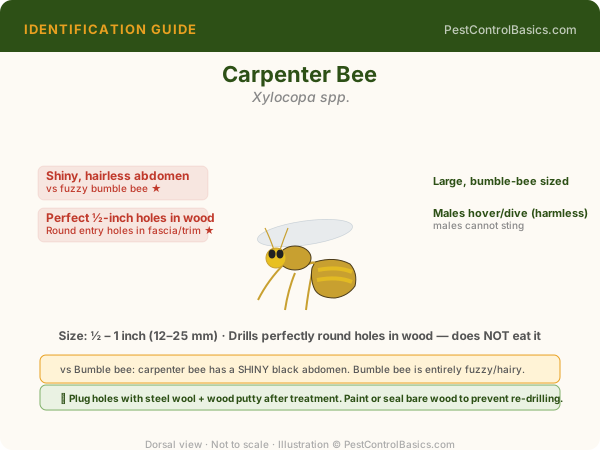
📐 FIELD GUIDE ILLUSTRATION
Carpenter Bee (Xylocopa spp.) identification illustration with labeled anatomical features — PestControlBasics.com

Original illustration by PestControlBasics.com. Use anatomical labels above to confirm your identification.

🔍 Identification Photo

Use this photo to confirm your identification. Click to enlarge. Correct ID is the essential first step to effective treatment.

Carpenter bee (Xylocopa sp.) — shiny black abdomen vs fuzzy bumblebee; bores perfectly round ½-inch holes into bare wood

Carpenter bee (Xylocopa sp.) — shiny black abdomen vs fuzzy bumblebee; bores perfectly round ½-inch holes into bare wood; males cannot sting

📷 Wikipedia / Wikimedia Commons / CC BY-SA

⚠️ Photo loaded live from Wikipedia/Wikimedia Commons (CC BY-SA). Appearance varies by region, age, and sex. When uncertain, contact a licensed pest professional.

Identification

Shiny abdomen = carpenter bee (not bumble bee)

Carpenter bees and bumble bees are similar in size but visually distinct once you know what to look for. The abdomen is the key: bumble bees have a fuzzy, hairy abdomen with yellow markings. Carpenter bees have a shiny, bare, solid black abdomen. From above, bumble bees look fluffy throughout; carpenter bees look like they have been polished from the waist back.

Behavior distinguishes males from females: The large bees hovering near deck railings and dive-bombing passersby are males. They establish and defend a territory around nesting sites. Males are 100% harmless — they have no stinger at all. If you walk through their territory, they may hover within inches of your face. They cannot hurt you. Female carpenter bees have a stinger but spend most of their time inside the tunnel boring or provisioning cells. Females almost never sting except when directly handled or trapped.

Control & Prevention

The simple fix — paint the wood

Carpenter bees strongly prefer weathered, unfinished wood. They avoid painted or stained surfaces. The single most effective prevention measure is: paint or stain all exposed wood surfaces on the structure — decks, railings, fascia boards, window and door trim, and siding. Even a clear sealer significantly reduces boring activity.

Treating existing holes: In early spring before females begin laying eggs (before May), dust insecticide (carbaryl or permethrin dust) into existing tunnels using a puffer duster. The treated tunnel kills the returning female and any eggs. Wait 48 hours, then fill the hole with wood putty or a wooden dowel and paint over it. This breaks the cycle and removes the hole that would otherwise be reused or expanded each year.

Traps: Carpenter bee wood traps (box traps that mimic tunnel entrances) can capture significant numbers in high-pressure situations. They work by providing an attractive tunnel entrance that leads into a collection chamber.

Woodpecker damage: After carpenter bee season, woodpeckers learn to locate bee larvae inside wood by sound and excavate large, irregular holes to reach them. Treating and filling carpenter bee holes prevents the secondary woodpecker damage that can be far more structurally significant than the bees themselves.

Quick Reference
Size3/4–1 inch — large
ColorShiny black abdomen; yellow thorax
vs. Bumble beeCarpenter bee abdomen is shiny-black and bare; bumble bee is fuzzy
Male behaviorHovers, dive-bombs — cannot sting
Female behaviorBores into wood; can sting but rarely does
Hole sizePerfect 1/2 inch round entry
Tunnel depthUp to 12 inches — then cells
Best preventionPaint or stain bare wood; fill old holes
Related Guides
🐝 Full Wasp & Yellow Jacket Guide →🐝 Yellow Jacket →🌿 Organic Pest Control →
Not sure? AI Bug ID →Find a Pro →
📚 Sources: EPA Termite Guide · NPMA Termite Info
Published: Jan 1, 2025 · Updated: Apr 7, 2026
Carpenter Bee
Carpenter Bee

Frequently Asked Questions

How do I know if I have Carpenter Bee?

Signs of Carpenter Bee include physical sightings, droppings or frass, damage to food or materials, and unusual odors. Inspect hidden areas like wall voids, behind appliances, and in storage spaces. A flashlight inspection after dark is often most revealing.

Are Carpenter Bee dangerous to humans or pets?

Carpenter Bee can pose health risks including bites, allergic reactions, food contamination, and disease transmission. Children, elderly, and pets are especially vulnerable. Consult a pest management professional when an infestation is confirmed.

Can I eliminate Carpenter Bee myself?

Light infestations may be manageable with DIY baits, traps, and targeted treatments. Established infestations typically require professional intervention. Misapplied products often scatter pests and worsen the problem long-term.

How long does Carpenter Bee treatment take?

Timelines vary by infestation size and method. Baits may take 1–4 weeks to work through a colony. Chemical treatments often require 2–3 applications spaced 2–4 weeks apart. Monitor for 30–60 days after treatment to confirm elimination.

What attracts Carpenter Bee to my home?

Carpenter Bee are typically drawn by food sources, standing moisture, warmth, and shelter. Sealing entry points, reducing clutter, fixing leaks, and storing food in airtight containers are the most effective long-term prevention measures.

Related Resources

📚 Full Pest Library🧪 DIY vs. Pro Quiz💰 Cost Guide🌿 IPM Guide🔍 Find a Pro
🧪 Recommended Treatment Products
Pyrethrin Aerosol Lambda-Cyhalothrin Safety & PPE Guide
Full product guides with mixing rates and safety info. → Browse All 130 Pesticide Guides
🔗 Related Pests
Bumble Bee Ground Nesting Velvet Ant Cicada Killer
Compare similar pests to confirm your identification. → Use our ID Flowchart
🎬
Carpenter Bee Damage Prevention
Video guide coming soon — subscribe to be notified when it's live
▶️ Subscribe on YouTube 🔍 Use ID Flowchart Instead
🔮
Reviewed by Derek GiordanoContent on PestControlBasics.com is developed with input from certified pest management professionals and cross-referenced against EPA, CDC, and university extension guidance. Last reviewed: April 2026.

🗺️ US Distribution — Carpenter Bee

image/svg+xml
Common Occasional Not Present
States Present
32
Occasional
6
Primary Region
Eastern United States
📊 Source: University extension services, USDA, CDC vector data, and published entomological surveys.