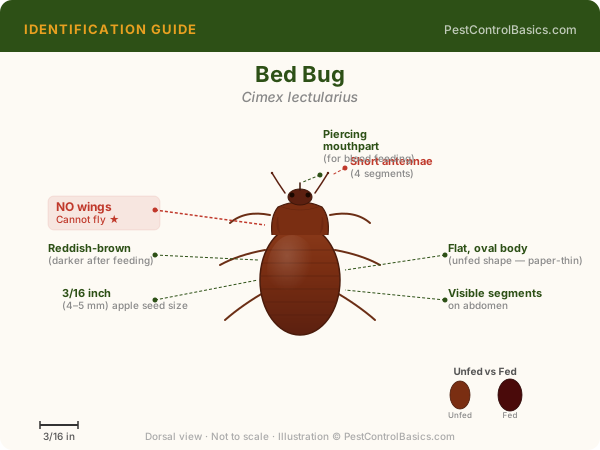
Illustrated identification guide — PestControlBasics.com
🔍 Identification
Bat bug (Cimex adjunctus): virtually identical to bed bug; found near bat roosts in attics. Key difference: longer hairs on pronotum. Treatment: remove bats (licensed wildlife control), not bed bug treatment. Spider beetle (Mezium americanum): round, reddish, very long legs — looks spider-like. Found in pantry areas, not beds. Book lice: much smaller, pale, soft-bodied — found in humid areas with mold. Carpet beetle larva: elongated, hairy, brown — found in fabric and stored goods, not beds. Swallow bug: identical to bed bug; found near cliff swallow nests. Immature cockroach: flat, brown, fast — often misidentified when small.
🧬 Biology & Behavior
The critical bed bug confirmation checklist: 1) Found in or near the bed? 2) Flat oval shape, apple-seed size? 3) Brown, no wings? 4) Are you waking with bites in a line? 5) Dark fecal spots in mattress seams? Meeting 3+ criteria warrants professional inspection before any treatment.
⚠️ Damage & Health Risk
Misidentification leading to unnecessary bed bug treatment ($1,500-4,000); missing the actual problem (bat roost, pantry pest, humidity); continued infestation from untreated actual cause.
🔧 DIY Treatment
Before any treatment: capture the suspect insect in a sealed bag for professional identification. Most local university extension services offer free insect identification. A PCO inspection ($75-150) is significantly cheaper than treating for bed bugs you don't have.
👷 When to Call a Pro
Professional identification is strongly recommended before committing to bed bug treatment. Many PCOs offer free inspections for suspected bed bug situations.