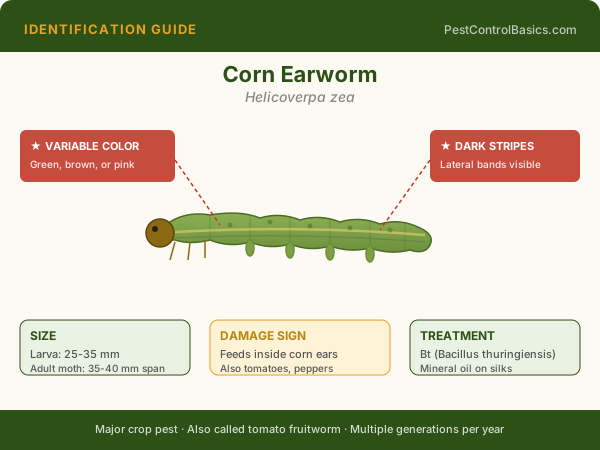
Illustrated identification guide — PestControlBasics.com
🔍 Identification
Larvae: 40mm at maturity; highly variable coloring — tan, green, brown, or pink; distinctive alternating dark and light stripes along the side; pale head capsule. Found at the silk tip of corn ears or burrowing into tomatoes and peppers. Adults are medium-sized brownish moths.
🧬 Biology & Behavior
Cannot overwinter above the frost line — migrants from the Gulf Coast reinvade northern states each summer, identical to fall armyworm. This means resistance management in the Southeast affects populations throughout the US. Multiple generations per year; continuous production in South Florida. Pheromone traps monitor adult flight timing.
⚠️ Damage & Health Risk
In corn: silk tip damage and tunneling into ears; in tomatoes: entry hole at the stem attachment point with tunneling into the fruit; in peppers and beans: similar direct fruit penetration. Secondary fungal infection of damaged tissue.
🔧 DIY Treatment
In gardens: apply Bt or spinosad spray to corn silks every 3-4 days during silking period. Mineral oil or vegetable oil applied to corn silk tip after pollination prevents larval entry. Bacillus thuringiensis injected into ear tip at silk emergence.
👷 When to Call a Pro
Commercial corn production uses Bt transgenic corn varieties (Cry protein expression), which has been extremely effective but has also driven resistance evolution in southern populations.