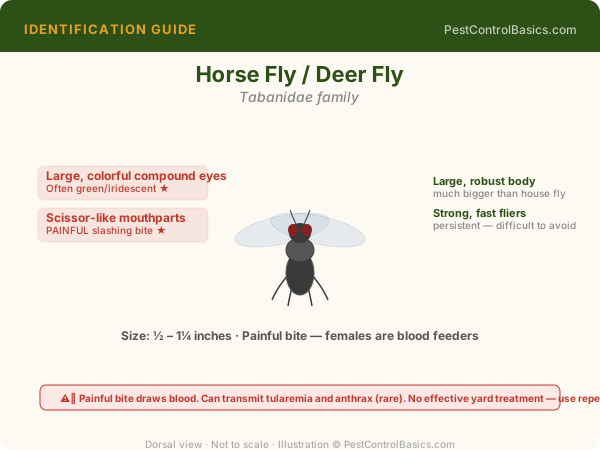
Original illustration by PestControlBasics.com. Use the labeled features above to confirm your identification.
🔍 Identification
Horse fly: 20-30mm; large; grey or brown; often with iridescent green or purple eyes; painful bite that can draw blood; silent flier. Deer fly: 8-12mm; smaller; dark wing markings (distinctive bands across wings); hovers and circles before landing; attacks head and neck preferentially. Both: females only bite (blood meal for egg development); males feed on nectar.
🧬 Biology & Behavior
Both breed in wet environments — marshes, pond margins, stream edges, wet soil. Females are attracted to large moving objects, dark colors (blue and black most attractive), CO2, and heat. DEET provides limited protection — these flies are persistent and will continue circling and attacking through most repellents. Horsefly population pressure is highest from June through August.
⚠️ Damage & Health Risk
Painful bites that draw blood; potential secondary infection from bite sites; severe distress in livestock; minor disease transmission risk in some regions (tularemia, anaplasmosis).
🔧 DIY Treatment
Wear light-colored clothing (less attractive). Avoid areas of peak activity (dawn and dusk, wet areas). Fan-based traps (Horse Pal, Epps Biting Fly Trap) can reduce local populations significantly. Permethrin-treated clothing provides better protection than DEET for these flies. Avoid dark blue clothing — most attractive to horse flies.
👷 When to Call a Pro
No chemical treatment effectively reduces horse fly or deer fly populations — breeding in water bodies cannot be addressed without ecological impact.