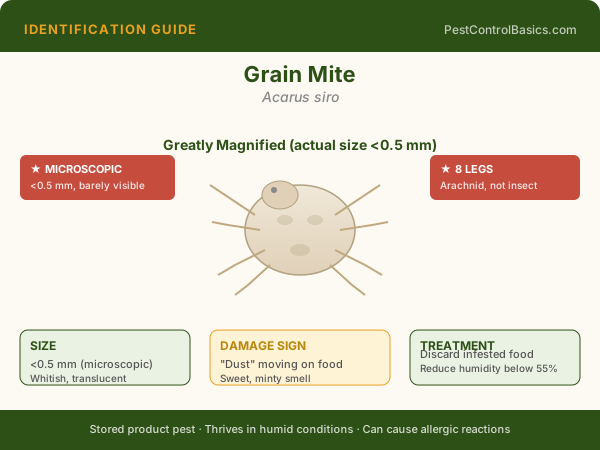
Illustrated identification guide — PestControlBasics.com
🔍 Identification
0.3-0.7mm — requires magnification to see individuals. Shiny, pearly white with 8 legs. Evidence: a bag of flour that appears to 'breathe' or have surface movement under good light; brown powdery accumulation at the base of grain bags (mite bodies and waste); distinctive 'honey' or 'mint' sweet musty smell from infested products. Thousands visible as a barely-perceptible shimmer.
🧬 Biology & Behavior
Grain mites require high humidity (above 65% RH) and warm temperatures to reproduce rapidly. A single grain mite can lay 800 eggs in its lifetime. Infestations typically originate from purchased products already containing low-level mite populations that explode under favorable storage conditions. They attack: flour, bran, cereals, dried fruit, cheese, mushrooms, and yeast products.
⚠️ Damage & Health Risk
Contamination and economic loss of grain products; 'grocer's itch' contact dermatitis in heavily exposed individuals; strong musty odor in storage areas; respiratory sensitization in some individuals.
🔧 DIY Treatment
Discard all infested products. Clean storage area thoroughly. Reduce humidity below 60% with a dehumidifier. Store all grain products in airtight containers. Freeze new purchases at 0°F for 7 days before transferring to storage containers — kills any mites present at purchase.
👷 When to Call a Pro
For commercial grain storage: sulfuryl fluoride (Vikane) fumigation or controlled atmosphere treatment (CO2 or nitrogen) for large-volume infestations.