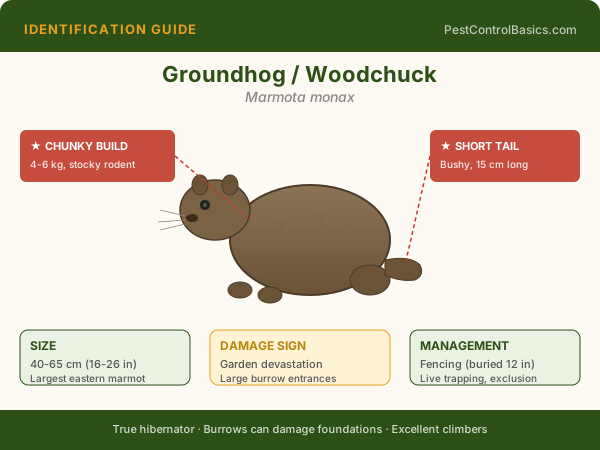
Illustrated identification guide — PestControlBasics.com
🔍 Identification
Adults: 40-65cm; 2-5kg; grey-brown; stocky; short bushy tail; burrowing animal. Burrows: 5-6 inch diameter openings with mounded excavated soil; often under structures, deck, outbuildings, or in gardens. Active daytime spring-fall; hibernates winter. Primarily vegetarians — alfalfa, clover, vegetables, and ornamental plants.
🧬 Biology & Behavior
Groundhogs are true hibernators — body temperature drops to near freezing in winter. Spring emergence coincides with first plant growth. They eat an enormous amount daily — up to 1/3 of their body weight. One groundhog can consume an entire vegetable garden before you notice. Burrow systems can have multiple entrances and extend 25-30 feet.
⚠️ Damage & Health Risk
Complete destruction of vegetable gardens; ornamental damage; structural damage from burrowing under foundations, decks, and sheds; occasional secondary pest entry (skunks, rabbits use old burrows).
🔧 DIY Treatment
Hardware cloth exclusion fencing (1x1 inch mesh, 3 feet tall above ground + 12 inches buried and bent outward) around gardens. Live trapping (Havahart large live trap) baited with cantaloupe, carrots, or apple — relocate minimum 5 miles. Fumigants (gas cartridges in active burrows) — effective but check local regulations.
👷 When to Call a Pro
USDA Wildlife Services and licensed wildlife control operators handle nuisance groundhog situations, particularly when beneath structures.