πŸ› House Centipede β€” Complete Guide

Scutigera coleoptrata Β· Chilopoda: Scutigeridae

The house centipede is the most alarming-looking beneficial arthropod in North American homes. Before you reach for a shoe, consider what it's doing for you.

CentipedeBeneficialChilopodaArthropodPredatorMoisture
πŸ›
Risk Level
Beneficial / Nuisance
πŸ“ FIELD GUIDE ILLUSTRATION
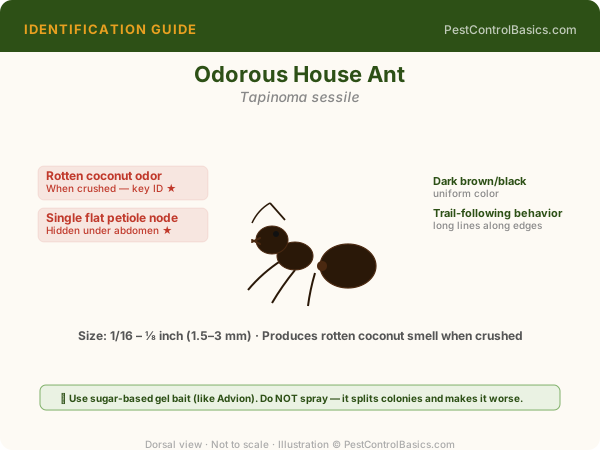
Odorous House Ant (Tapinoma sessile) identification illustration with labeled anatomical features β€” PestControlBasics.com

Original illustration by PestControlBasics.com. Use anatomical labels above to confirm your identification.
πŸ“ FIELD GUIDE ILLUSTRATION
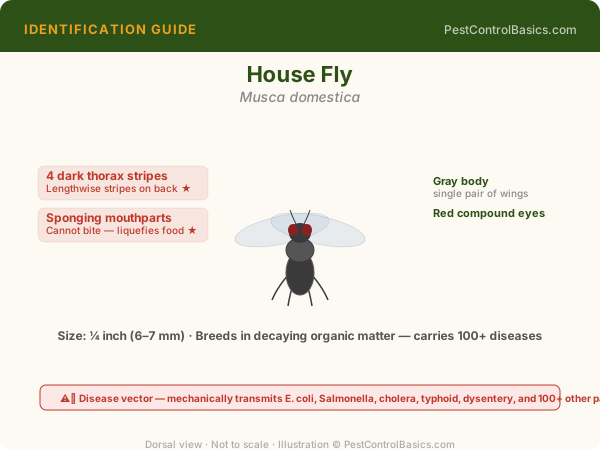
House Fly (Musca domestica) identification illustration with labeled anatomical features β€” PestControlBasics.com

Original illustration by PestControlBasics.com. Use anatomical labels above to confirm your identification.
πŸ“ FIELD GUIDE ILLUSTRATION
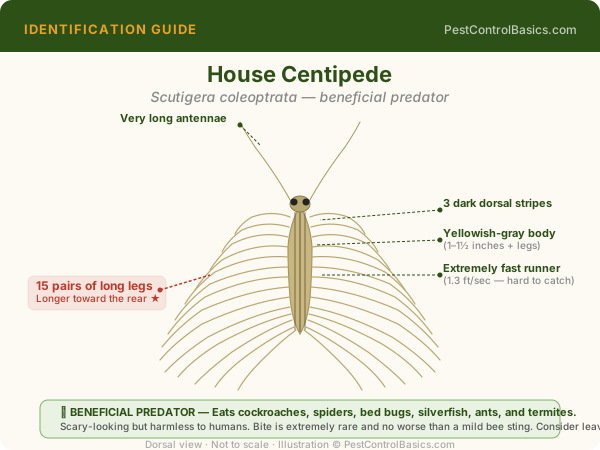
House centipede (Scutigera coleoptrata) identification illustration with labeled anatomical features β€” PestControlBasics.com

Original illustration by PestControlBasics.com. Use anatomical labels above to confirm your identification.

πŸ”¬
PestControlBasics Editorial Team
Reviewed by Derek Giordano Β· Updated 2026

πŸ” Identification

30-70mm including legs; extremely long, delicate legs (15 pairs in adults); banded brown/yellow/white; two extremely long antennae and two rear cerci (tail appendages). Move with startling speed when disturbed. Single-segmented head with compound eyes and powerful fangs.

🧬 Biology & Behavior

House centipedes are obligate predators of insects and spiders β€” they don't feed on plants, stored goods, or structures. They consume: cockroaches, silverfish, earwigs, flies, small spiders, bed bugs, and termites. They're nocturnal, active near moisture, and pursue prey actively rather than using webs or burrows.

⚠️ Damage & Health Risk

Near-zero negative impact. House centipede bites are possible if handled β€” they can pierce human skin and cause local pain similar to a bee sting. Not medically significant. The sole concern is psychological distress from their appearance.

πŸ”§ DIY Treatment

Address moisture (they need humidity to survive): fix plumbing leaks, reduce basement moisture, install dehumidifiers. Eliminate their prey (controlling cockroaches and silverfish removes house centipedes' food source). Seal exterior entry points. If direct reduction is desired, apply pyrethroid spray along baseboards and under appliances.

πŸ‘· When to Call a Pro

Rarely warranted for house centipedes alone. If part of a general indoor pest program, residual spray effectively reduces populations.

❓ FAQ

Should I kill house centipedes?
House centipedes are voracious predators of cockroaches, silverfish, earwigs, bed bugs, and other pests. If you have significant prey insect pressure, house centipedes are providing real pest control value. The case for killing them depends on your tolerance for their appearance vs. appreciation for what they're eating.
Why do I keep finding centipedes in my bathroom?
House centipedes require high humidity β€” they can lose moisture rapidly and die if conditions are too dry. Bathrooms provide reliable moisture. They also follow prey insects (silverfish, roaches) that concentrate in bathrooms. Reducing bathroom humidity and eliminating prey insects resolves house centipede pressure.

πŸ—ΊοΈ Geographic Range & Distribution

FactorDetails
U.S. RangeAll or most U.S. states
Regional DetailDistribution varies β€” consult your local extension service for regional prevalence data.

πŸ“… Treatment Timing Guide

Treating at the right time dramatically improves results. Pest control timed to the life cycle uses less product and achieves better long-term control.

PeriodAction
SpringInspection and perimeter treatment before pest season starts.
SummerActive monitoring and targeted treatments as needed.
FallPreventive treatment before overwintering pests seek entry.

πŸ’° Professional Treatment Costs

Service TypeDIY CostProfessional Cost
Initial inspectionFree (self-inspect)$75–$150 (often credited to treatment)
One-time treatment$30–$100 in materials$150–$500
Annual service contractN/A$400–$900/year
Severe infestationOften ineffective alone$500–$2,500+

Prices vary by region, property size, and infestation severity.

❓ Common Questions About πŸ› House Centipede β€” Complete Guide

How do I confirm I actually have this pest (not something similar)?
The most reliable confirmation is a physical specimen β€” capture one and compare to reference images on this page. For cryptic pests (bed bugs, termites), look for secondary signs: frass, shed skins, mud tubes, or bites with a specific pattern. When uncertain, a professional inspection is faster than months of misidentification.
Can I treat this myself or do I need a professional?
DIY is effective for small, accessible infestations caught early. Professionals are worth the cost when: the infestation is inside wall voids or structural elements, multiple rooms are affected, you have health-risk pests (hantavirus, venomous species), or DIY has already failed twice.
How long until the infestation is completely gone?
Expect 3–8 weeks for most infestations with proper treatment. Insects with dormant life stages (pupae, eggs) extend the timeline because those stages are impervious to most insecticides. Follow-up treatments at 2 and 4 weeks catch each new cohort as they emerge.
What's the most common mistake people make treating this pest?
Treating only the visible pest population while ignoring the harborage site, entry point, or breeding location. Killing adults provides temporary relief but the population rebuilds from hidden egg cases, pupae, or new arrivals through unaddressed entry points.
πŸ“š Sources: EPA Termite Guide Β· NPMA Termite Info
Published: Jan 1, 2025 Β· Updated: Apr 7, 2026

πŸ—ΊοΈ US Distribution β€” House Centipede

image/svg+xml
Common Occasional Not Present
States Present
51
Occasional
0
Primary Region
All 50 states (indoor pest)
πŸ“Š Source: University extension services, USDA, CDC vector data, and published entomological surveys.