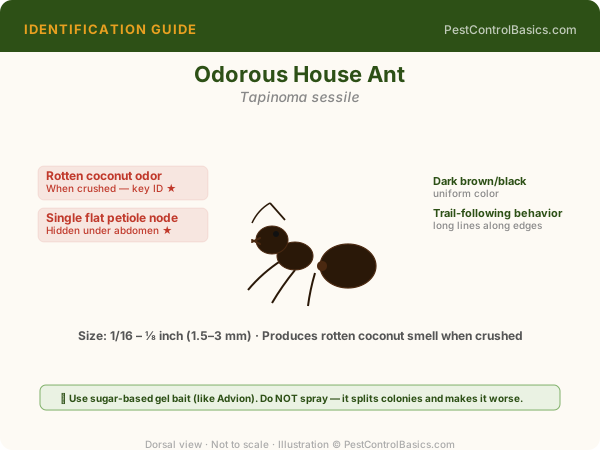
Original illustration by PestControlBasics.com. Use anatomical labels above to confirm your identification.
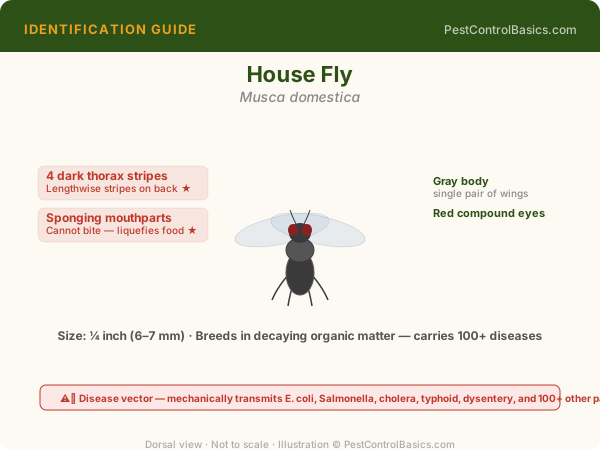
Original illustration by PestControlBasics.com. Use anatomical labels above to confirm your identification.
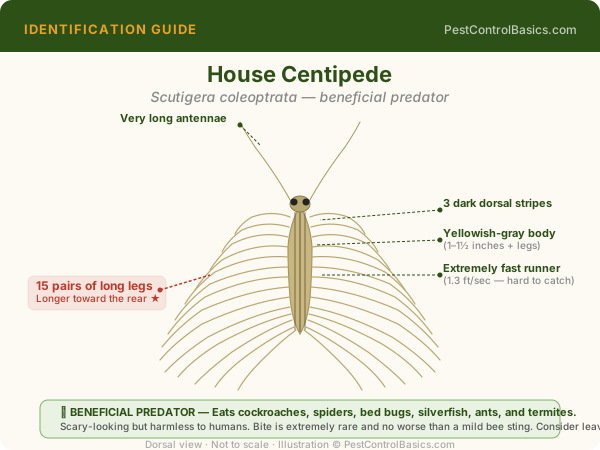
Original illustration by PestControlBasics.com. Use anatomical labels above to confirm your identification.
🔍 Identification
30-70mm including legs; extremely long, delicate legs (15 pairs in adults); banded brown/yellow/white; two extremely long antennae and two rear cerci (tail appendages). Move with startling speed when disturbed. Single-segmented head with compound eyes and powerful fangs.
🧬 Biology & Behavior
House centipedes are obligate predators of insects and spiders — they don't feed on plants, stored goods, or structures. They consume: cockroaches, silverfish, earwigs, flies, small spiders, bed bugs, and termites. They're nocturnal, active near moisture, and pursue prey actively rather than using webs or burrows.
⚠️ Damage & Health Risk
Near-zero negative impact. House centipede bites are possible if handled — they can pierce human skin and cause local pain similar to a bee sting. Not medically significant. The sole concern is psychological distress from their appearance.
🔧 DIY Treatment
Address moisture (they need humidity to survive): fix plumbing leaks, reduce basement moisture, install dehumidifiers. Eliminate their prey (controlling cockroaches and silverfish removes house centipedes' food source). Seal exterior entry points. If direct reduction is desired, apply pyrethroid spray along baseboards and under appliances.
👷 When to Call a Pro
Rarely warranted for house centipedes alone. If part of a general indoor pest program, residual spray effectively reduces populations.