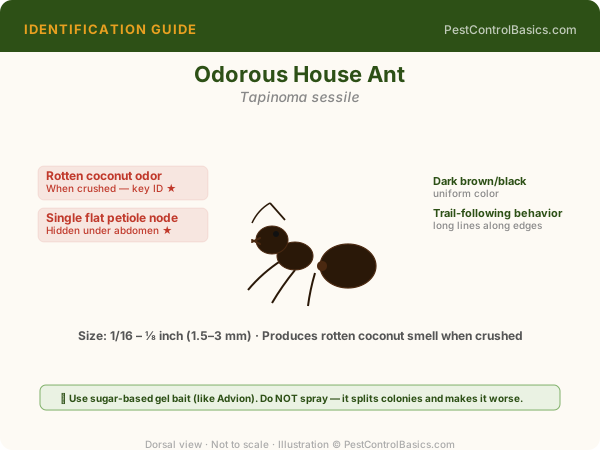
Original illustration by PestControlBasics.com. Use anatomical labels above to confirm your identification.
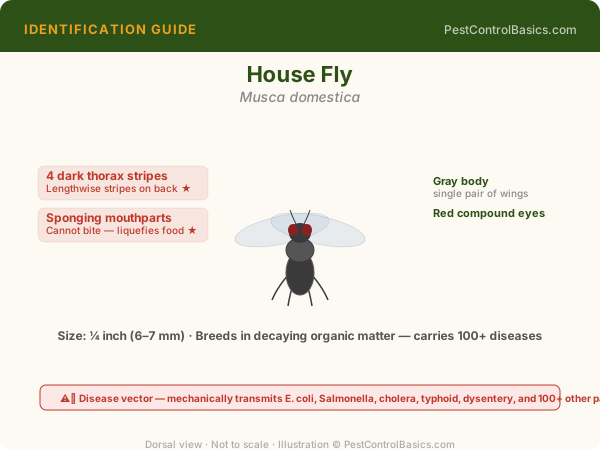
Original illustration by PestControlBasics.com. Use anatomical labels above to confirm your identification.
🔍 Identification
Transmission mechanism: adult house flies feed and breed in fecal material, garbage, and carrion — then immediately land on human food, transferring pathogens on feet, body, and through regurgitation (flies must liquefy solid food before eating it). A single fly can carry up to 2 million bacteria on its body and regurgitate contaminated digestive fluid each time it feeds. The 'sponging' mouthparts create the transmission vector — flies can't bite but contaminate through contact and regurgitation.
🧬 Biology & Behavior
100+ pathogens documented: Salmonella, Shigella, E. coli O157:H7, Campylobacter, Vibrio cholerae, Mycobacterium tuberculosis, anthrax bacillus, and numerous intestinal parasites. The primary route: feces → fly → food surface. Studies have documented transmission of cholera, typhoid, and dysentery through fly populations near open latrines in the developing world.
⚠️ Damage & Health Risk
Foodborne illness from contaminated food; significant public health concern in areas with poor sanitation; economic losses in food establishments from fly-related health violations.
🔧 DIY Treatment
Exclusion (screens, door seals); breeding site management (garbage management, manure removal); fly bait stations (methomyl or spinosad — bait station use only, not scatter); ultraviolet light traps in food establishments; Muscalure pheromone attractant traps.
👷 When to Call a Pro
Commercial food establishments: professional fly management contracts with UV traps, bait station programs, and sanitation audits meet health code requirements and protect against liability.