πŸͺ° House Fly Disease Transmission

Musca domestica Β· Diptera: Muscidae

The house fly carries over 100 disease-causing organisms from feces to food through mechanical transmission. In developing countries this causes significant mortality β€” in the US it's an underappreciated food safety issue.

House FlyDisease VectorPublic HealthPathogensFood SafetyMuscidae
πŸͺ°
Risk Level
Disease Vector
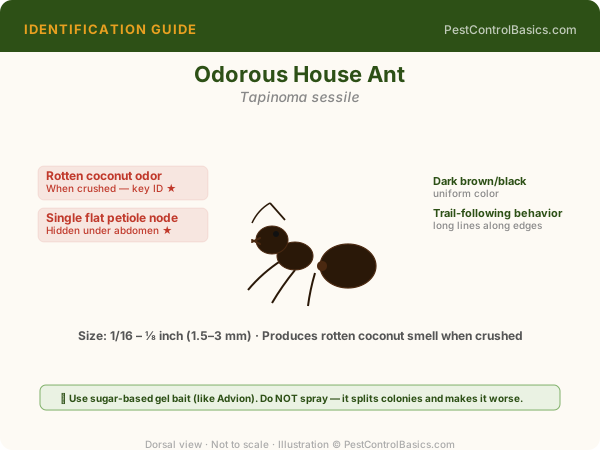
πŸ“ FIELD GUIDE ILLUSTRATION
Odorous House Ant (Tapinoma sessile) identification illustration with labeled anatomical features β€” PestControlBasics.com

Original illustration by PestControlBasics.com. Use anatomical labels above to confirm your identification.
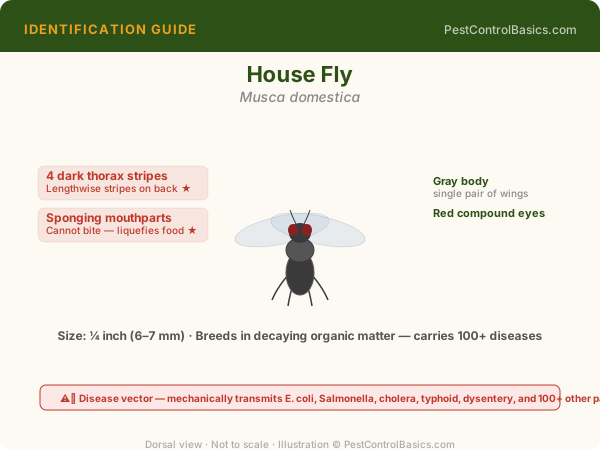
πŸ“ FIELD GUIDE ILLUSTRATION
House Fly (Musca domestica) identification illustration with labeled anatomical features β€” PestControlBasics.com

Original illustration by PestControlBasics.com. Use anatomical labels above to confirm your identification.

πŸ”¬
PestControlBasics Editorial Team
Reviewed by Derek Giordano Β· Updated 2026

πŸ” Identification

Transmission mechanism: adult house flies feed and breed in fecal material, garbage, and carrion β€” then immediately land on human food, transferring pathogens on feet, body, and through regurgitation (flies must liquefy solid food before eating it). A single fly can carry up to 2 million bacteria on its body and regurgitate contaminated digestive fluid each time it feeds. The 'sponging' mouthparts create the transmission vector β€” flies can't bite but contaminate through contact and regurgitation.

🧬 Biology & Behavior

100+ pathogens documented: Salmonella, Shigella, E. coli O157:H7, Campylobacter, Vibrio cholerae, Mycobacterium tuberculosis, anthrax bacillus, and numerous intestinal parasites. The primary route: feces β†’ fly β†’ food surface. Studies have documented transmission of cholera, typhoid, and dysentery through fly populations near open latrines in the developing world.

⚠️ Damage & Health Risk

Foodborne illness from contaminated food; significant public health concern in areas with poor sanitation; economic losses in food establishments from fly-related health violations.

πŸ”§ DIY Treatment

Exclusion (screens, door seals); breeding site management (garbage management, manure removal); fly bait stations (methomyl or spinosad β€” bait station use only, not scatter); ultraviolet light traps in food establishments; Muscalure pheromone attractant traps.

πŸ‘· When to Call a Pro

Commercial food establishments: professional fly management contracts with UV traps, bait station programs, and sanitation audits meet health code requirements and protect against liability.

❓ FAQ

How many bacteria can a house fly carry?
Studies have documented individual house flies carrying 2-6 million bacteria on their bodies in high-contamination environments. In moderate environments, fly body counts range from thousands to hundreds of thousands of bacteria. The transmission to food occurs through physical contact and through regurgitation of digestive fluid each time the fly feeds on solid food.
Are electric fly zappers effective for food protection?
Traditional electric 'bug zappers' actually scatter contaminated fly fragments up to 7 feet, potentially contaminating food surfaces. UV light traps with sticky boards (ILT β€” insect light traps with glue boards) are preferred in food environments because they capture flies without dispersing their contents. Zappers should not be used near food preparation or serving areas.

πŸ“š More on This Topic

Related guides and profiles:

πŸ”— Fruit FlyπŸ”— House FlyπŸ”— πŸ› Whitefly β€” Species Guide & ControlπŸ”— πŸͺ° Drain Fly
🧪 Recommended Treatment Products
Pyrethrin Aerosol Bti (Drain/Fungus Gnats) IPM Guide
Full product guides with mixing rates and safety info. → Browse All 130 Pesticide Guides
πŸ“š Sources: EPA Safe Pest Control Β· NPMA Pest Guide
Published: Jan 1, 2025 Β· Updated: Apr 7, 2026

πŸ—ΊοΈ US Distribution β€” House Fly as Disease Vector

image/svg+xml
Common Occasional Not Present
States Present
51
Occasional
0
Primary Region
All 50 states (indoor pest)
πŸ“Š Source: University extension services, USDA, CDC vector data, and published entomological surveys.