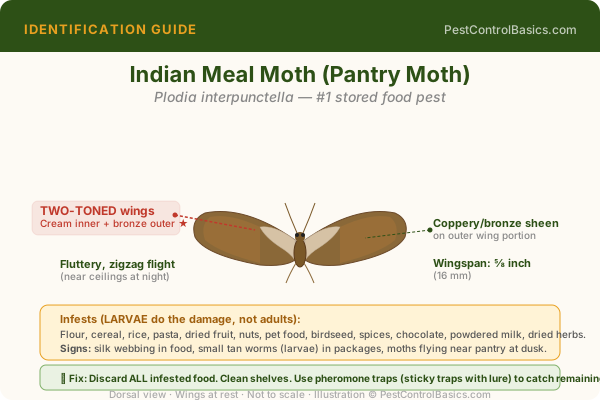
Original illustration by PestControlBasics.com. Use anatomical labels above to confirm your identification.
🔍 Identification
Adults are 8-10mm wingspan with a distinctive two-toned wing pattern: the outer 2/3 is reddish-brown/copper, the inner 1/3 near the body is pale grey. This color split is the definitive identification feature.
Larvae are 12-14mm, cream/white with a brownish head, and produce fine silken webbing throughout infested products. They're the destructive stage — adults don't feed at all.
Note: multiple moth species infest stored foods. Almond moths, tobacco moths, and Mediterranean flour moths look similar. Indian meal moth is most common in US homes.
🧬 Biology & Behavior
The life cycle: eggs laid directly in or near stored food → larvae hatch and feed for 2-8 weeks → larvae leave food to pupate in a crack or corner → adults emerge and mate. Adults live 1-2 weeks and don't feed.
A single overlooked bag of infested cereal can seed an entire pantry. Larvae can chew through cardboard and thin plastic. Infestations often start with a store-purchased item already containing eggs or young larvae.
⚠️ Damage & Health Risk
Larvae contaminate food with webbing, excrement, and shed skins — making affected food inedible. Once established, a pantry infestation can spread to every dry food product within weeks. Cornmeal, flour, birdseed, pet food, nuts, dried fruit, chocolate, and spices are all susceptible.
🔧 DIY Treatment
Step 1 — Find ALL infested products: Check every dry food item in the pantry. Look for webbing, larvae, or cocoons inside packaging or in container corners. This step is everything — missing one source means the infestation continues.
Step 2 — Discard infested items: Place in sealed bags outside the home immediately. Don't just throw away in the kitchen trash.
Step 3 — Deep clean the pantry: Vacuum every corner, crack, and shelf. Wipe down with white vinegar. Remove shelf liners. Check the ceiling corners for pupae.
Step 4 — Pheromone traps: Place Indian meal moth pheromone traps (available at hardware stores) to monitor for remaining adults. Traps only catch males and don't eliminate the infestation but confirm when it's resolved.
Step 5 — Prevention: Transfer all dry goods to sealed glass or heavy plastic containers. This is the only permanent solution.
👷 When to Call a Pro
Indian meal moth infestations are almost always resolvable with thorough DIY treatment. Call a pest control professional if you cannot find the source after thorough inspection, or if the infestation recurs within 4-6 weeks of treatment (suggests an overlooked breeding site).