πŸͺ² Japanese Beetle β€” Adults & Grub Control

Popillia japonica Β· Coleoptera: Scarabaeidae

Japanese beetles cause damage in two life stages: shiny copper-green adults that skeletonize hundreds of plant species, and C-shaped white grub larvae that destroy lawn roots underground.

BeetleGarden PestLawn PestScarabaeidaeGrubInvasive
πŸͺ²
Risk Level
Multi-Stage Pest
πŸ“ FIELD GUIDE ILLUSTRATION
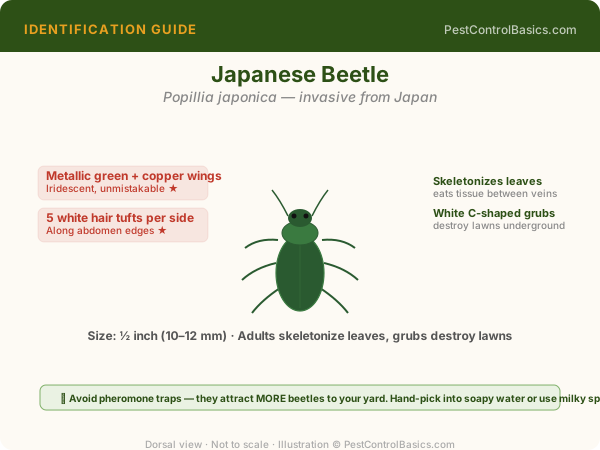
Japanese Beetle (Popillia japonica) identification illustration with labeled anatomical features β€” PestControlBasics.com

Original illustration by PestControlBasics.com. Use anatomical labels above to confirm your identification.

πŸ”¬
PestControlBasics Editorial Team
Reviewed by Derek Giordano Β· Updated 2026

πŸ” Identification

Adults: 8-11mm; distinctive metallic green thorax + copper-brown wing covers; 12 white hair tufts along abdomen edge. Found feeding on hundreds of ornamental and food plants June-August. Grubs: C-shaped, 25mm; white with tan head; found 1-3 inches deep in turf during growing season.

🧬 Biology & Behavior

Adults aggregate on plants in feeding clusters β€” the aggregation pheromone and plant volatiles from damaged leaves attract more beetles. Their feeding preference includes over 300 plant species β€” roses, linden, grapes, and many vegetables particularly. Females alternate between feeding and egg-laying in turf.

⚠️ Damage & Health Risk

Adult: skeletonization of ornamental and food plants; flower destruction; fruit damage in vineyards and orchards. Grub: root-feeding causing irregular lawn patches that peel back from soil; bird/skunk damage as they dig for grubs; up to $460 million in annual US damage.

πŸ”§ DIY Treatment

Adults: Hand-pick in early morning (sluggish in cool temperatures) into soapy water. Avoid pheromone traps (attract more beetles from the neighborhood). Neem oil deters feeding (doesn't kill well). Pyrethroid spray for severe infestations.
Grubs: Apply chlorantraniliprole (Acelepryn/Grub-X Prevent) in late June-July for best results on young grubs. Milky spore disease for long-term biological control (slow β€” 2-3 years to establish).

πŸ‘· When to Call a Pro

For large plantings or significant turf damage, professional lawn care service provides properly timed grub treatment (the timing window is short) and systematic adult management.

❓ FAQ

Do Japanese beetle traps work?
Japanese beetle bag traps using floral + sex pheromone lures are highly effective at catching beetles β€” but research consistently shows they attract MORE beetles to your yard than they catch. Unless you're far from neighbors, traps cause more damage than they prevent. Hand-picking and foliar protection are better approaches.
When is the best time to treat for Japanese beetle grubs?
Late June to late July when grubs are small (1st-2nd instar) and near the soil surface. Chlorantraniliprole (Grub-X Prevent) is the most effective preventive product and has a longer application window than older products. Fall treatments when grubs are large are far less effective.
πŸ“š Sources: USDA Japanese Beetle Β· Purdue Extension
Published: Jan 1, 2025 Β· Updated: Apr 7, 2026

πŸ—ΊοΈ US Distribution β€” Japanese Beetle

image/svg+xml
Common Occasional Not Present
States Present
27
Occasional
11
Primary Region
Eastern US (spreading west)
πŸ“Š Source: University extension services, USDA, CDC vector data, and published entomological surveys.