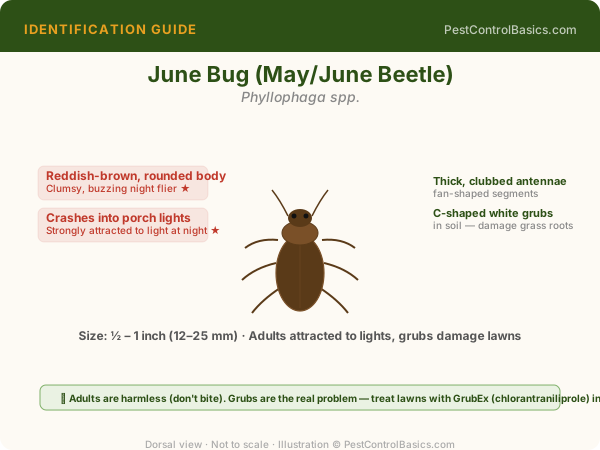
Original illustration by PestControlBasics.com. Use the labeled features above to confirm your identification.
🔍 Identification
Green June Beetle (C. nitida): 20-28mm; velvety green above; metallic gold-green underneath; found throughout eastern US in summer. Larvae: unusual habit of burrowing belly-up (back legs used for locomotion). Figeater Beetle (C. mutabilis): Similar; found in the Southwest; associated with fig and grape orchards.
🧬 Biology & Behavior
Adults emerge in summer and feed on overripe fruit, nectar, and plant sap. Females burrow into soil to lay eggs; larvae feed on decaying organic matter in soil. The belly-up larvae are distinctive — they crawl on their backs using strong bristles. Both species are significant lawn grubs where abundant, though less damaging than Japanese beetle grubs.
⚠️ Damage & Health Risk
Lawn grub damage in heavy populations; fruit damage in orchards (adults feeding on overripe fruit); noise and nuisance from adults buzzing at lights; occasional entry into structures.
🔧 DIY Treatment
Adults: no treatment warranted — they live 4-6 weeks and disperse. Grubs: standard white grub treatment if populations are above threshold. Overripe fruit should be harvested promptly to reduce adult congregation.
👷 When to Call a Pro
Rarely warranted alone.