πŸ•·οΈ Cellar Spider (Long-Bodied)

Pholcus phalangioides Β· Araneae: Pholcidae

Cellar spiders are one of the most beneficial spiders in North American homes β€” they actively hunt and kill black widows, other spiders, and pest insects. And the 'daddy long-legs can kill you but can't bite' myth? Completely false.

SpiderCellar SpiderBeneficialDaddy Long-LegsAraneaeHarmless
πŸ•·οΈ
Risk Level
Beneficial
πŸ“ FIELD GUIDE ILLUSTRATION
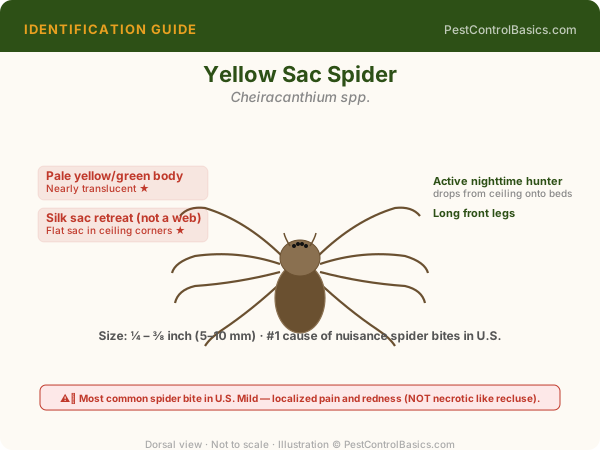
Yellow Sac Spider (Cheiracanthium spp.) identification illustration with labeled anatomical features β€” PestControlBasics.com

Original illustration by PestControlBasics.com. Use anatomical labels above to confirm your identification.
πŸ“ FIELD GUIDE ILLUSTRATION
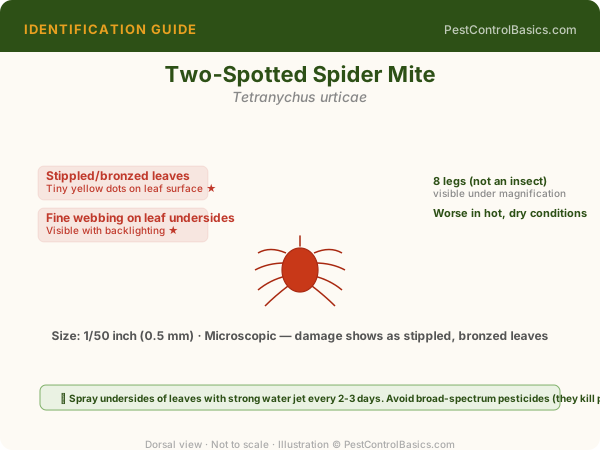
Spider Mite (Tetranychidae) identification illustration with labeled anatomical features β€” PestControlBasics.com

Original illustration by PestControlBasics.com. Use anatomical labels above to confirm your identification.
πŸ“ FIELD GUIDE ILLUSTRATION
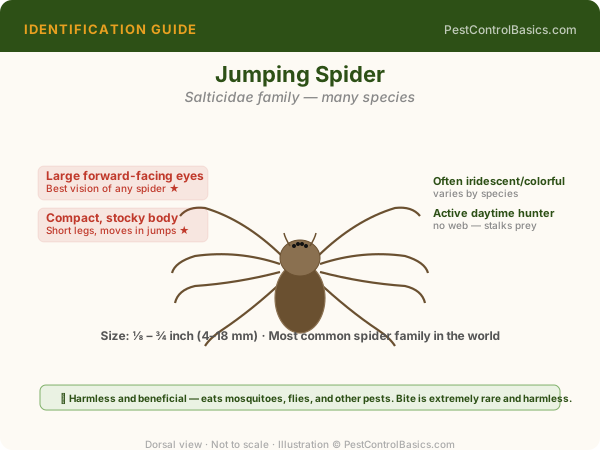
Jumping Spider (Salticidae) identification illustration with labeled anatomical features β€” PestControlBasics.com

Original illustration by PestControlBasics.com. Use anatomical labels above to confirm your identification.
πŸ“ FIELD GUIDE ILLUSTRATION
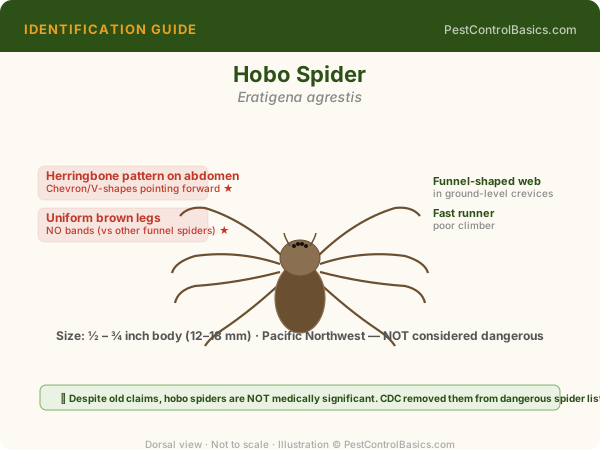
Hobo Spider (Eudioptilus agrestis) identification illustration with labeled anatomical features β€” PestControlBasics.com

Original illustration by PestControlBasics.com. Use anatomical labels above to confirm your identification.
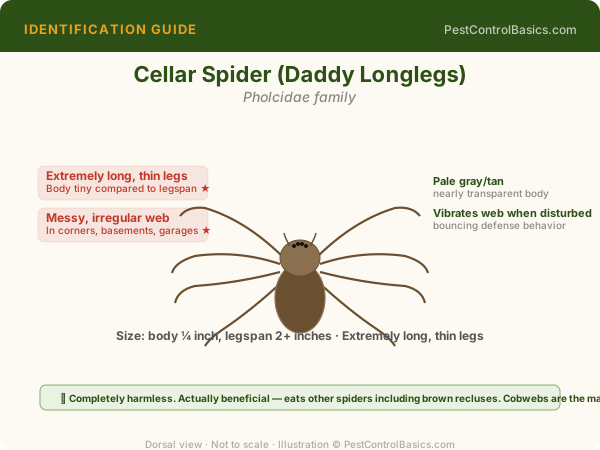
πŸ“ FIELD GUIDE ILLUSTRATION
Cellar Spider (Pholcidae) identification illustration with labeled anatomical features β€” PestControlBasics.com

Original illustration by PestControlBasics.com. Use anatomical labels above to confirm your identification.

πŸ”¬
PestControlBasics Editorial Team
Reviewed by Derek Giordano Β· Updated 2026

πŸ” Identification

Extremely long, thin legs (3-4x body length); very small body (7-8mm with legs extended to 70mm or more); tan/grey; builds loose, messy webs in corners of basements, crawl spaces, garages, and dark rooms. When disturbed, vibrates the web rapidly β€” making it appear blurry as a defense mechanism.

Note: 'Daddy long-legs' is also used for harvestmen (Opiliones order) β€” not true spiders and completely unrelated. The 'dangerous but can't bite' myth applies to cellar spiders and is 100% false β€” they can bite but the bite is harmless.

🧬 Biology & Behavior

Cellar spiders are generalist predators that feed on whatever insects and spiders they can catch in their webs. They actively hunt and kill black widows and other widows β€” placing them in the unique position of being beneficial pest control agents for dangerous spiders. They clean up other insects including mosquitoes that enter structures.

⚠️ Damage & Health Risk

Zero negative impact. Pure benefit. The only 'problem' is cosmetic β€” webs accumulate in corners. This is easily addressed by vacuuming webs periodically.

πŸ”§ DIY Treatment

No treatment needed or warranted. If webs are cosmetically problematic, vacuum them. The spiders will rebuild webs, but regular vacuuming prevents large accumulations. Eliminating cellar spiders removes a beneficial layer of natural pest control.

πŸ‘· When to Call a Pro

Never warranted. Cellar spider presence in basements and crawl spaces is a net positive for pest management.

❓ FAQ

Can cellar spiders really kill black widows?
Yes β€” cellar spiders are documented to capture and eat black widows. They approach the widow's web, vibrate it to simulate prey, then wrap the widow in silk before it can respond. This behavior has been observed and filmed repeatedly. Cellar spiders in black widow territory are a genuine natural control.
Is the 'daddy long-legs is the world's most venomous spider' myth true?
Completely false. Cellar spiders do have venom but it's not particularly potent. There has never been a documented cellar spider bite causing any significant symptoms. The myth appears to have no factual basis and is one of the most widely spread insect misconceptions.

πŸ“š More on This Topic

Related guides and profiles:

πŸ”— SpiderControlπŸ”— πŸ•·οΈ Common House Spiders GuideπŸ”— Spider MitesπŸ”— πŸ•·οΈ Hobo Spider
🧪 Recommended Treatment Products
Bifenthrin Deltamethrin Diatomaceous Earth Peppermint Oil Formulation Guide
Full product guides with mixing rates and safety info. → Browse All 130 Pesticide Guides
πŸ“š Sources: CDC Venomous Spiders Β· EPA Safe Pest Control
Published: Jan 1, 2025 Β· Updated: Apr 7, 2026

πŸ—ΊοΈ US Distribution β€” Cellar Spider (Daddy Long-Legs Spider)

image/svg+xml
Common Occasional Not Present
States Present
49
Occasional
2
Primary Region
Continental US
πŸ“Š Source: University extension services, USDA, CDC vector data, and published entomological surveys.