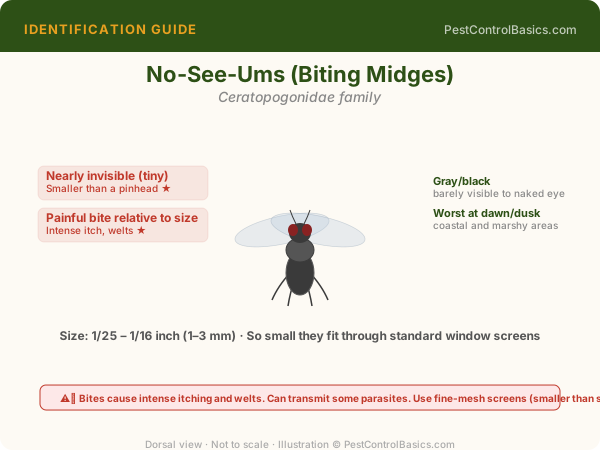
Original illustration by PestControlBasics.com. Use anatomical labels above to confirm your identification.
🔍 Identification
Adults: 1-3mm — barely visible to the naked eye; greyish; mottled wings; disproportionately painful bite for their size. Active at dusk and dawn (crepuscular) in calm conditions — wind above 5 mph grounds them. Peak seasons vary by species and region. Coastal, salt marsh, and freshwater wet areas have highest populations.
🧬 Biology & Behavior
Female midges require blood meal for egg development. They breed in wet mud, marshes, salt flats, mangrove areas, and moist organic soil. Unlike mosquitoes that breed in standing water, no-see-um breeding habitat is wet mud and organic material — much harder to eliminate. They pass through standard 18x16 mesh window screening.
⚠️ Damage & Health Risk
Intensely itchy, painful welts disproportionate to the insect's size; potential transmission of livestock diseases (bluetongue, equine encephalosis); significant nuisance impact on coastal recreation.
🔧 DIY Treatment
DEET 30%+ or picaridin 20% provides some protection (less effective than against mosquitoes). No-see-um-specific window screening (very fine mesh — 20x20 or finer) for screened porches. Fan-generated wind disperses them. Permethrin spray to vegetation near seating areas. Avoid outdoor activity at dusk and dawn in high-pressure areas.
👷 When to Call a Pro
Area foggers with permethrin or malathion in commercial settings (golf courses, resorts) provide temporary knockdown.