HomePest LibraryPocket Gopher
Garden Destroyer — Western & Central U.S.
🐰

Pocket Gopher

Thomomys, Geomys & Cratogeomys species

Pocket gophers are underground herbivores that drag plant roots downward, destroy garden beds from below, and leave crescent-shaped mounds with a plugged hole offset to the side. They are rarely seen above ground. Macabee traps in the main tunnel and hardware cloth raised beds are the most effective solutions.

ID signCrescent mound with plugged side hole
vs. MoleGopher: crescent/fan mound; Mole: volcano mound
DamagePlants pulled underground by roots
Best trapMacabee in main lateral tunnel
Best exclusionHardware cloth 2 ft deep under garden beds
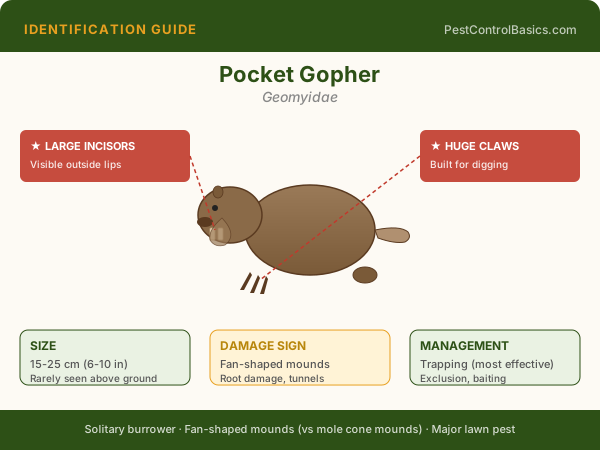
Pocket Gopher identification guide illustration

Illustrated identification guide — PestControlBasics.com

🔍 Identification Photo

Use this photo to confirm your identification. Click to enlarge. Correct ID is the essential first step to effective treatment.

Pocket gopher (Geomyidae) — large fur-lined cheek pouches, large front claws; creates crescent-shaped mounds with a plug

Pocket gopher (Geomyidae) — large fur-lined cheek pouches, large front claws; creates crescent-shaped mounds with a plugged side entry hole

📷 Wikipedia / Wikimedia Commons / CC BY-SA

⚠️ Photo loaded live from Wikipedia/Wikimedia Commons (CC BY-SA). Appearance varies by region, age, and sex. When uncertain, contact a licensed pest professional.

Identification

Crescent mound — the definitive sign

Pocket gopher mounds are the most reliable identification feature. They are fan-shaped or crescent-shaped, with the plugged entrance hole offset to one side of the mound — not centered. The soil pushed up is looser and finer than mole mounds.

Compare: mole mounds are volcano-shaped with a small, centered hole at the top (like a tiny volcano crater). Gopher mounds are asymmetrical crescents with the plug off to one side.

The plug: After pushing soil to the surface, pocket gophers seal the entrance with a soil plug. This plug is the key — follow the direction it faces (the "fat" side of the crescent) approximately 6–12 inches to find the main lateral tunnel below.

Plant evidence: Plants disappearing from the soil — pulled down as if by magic, leaving just the root crown — is the other definitive gopher sign. They grab roots from below and pull the entire plant into their tunnel system.

Control

Trapping and hardware cloth exclusion

Finding the main tunnel: From a fresh mound, probe the soil 6–12 inches in the direction the plug faces (toward the "fat" side of the crescent). You'll feel the probe drop into the tunnel cavity. This is the main lateral tunnel — not a small side branch.

Macabee trap placement: Excavate enough to place two Macabee traps in the tunnel facing opposite directions. Tie a wire or string to each trap so you can retrieve it. Cover the opening with a board to block light. Check every 24–48 hours.

Hardware cloth garden exclusion: For vegetable gardens and flower beds, lay 1/2-inch hardware cloth 2 feet deep under the bed, with a 6-inch horizontal flange extending outward at the bottom of the trench. This physically prevents gopher access from below. Raised beds lined with hardware cloth on the bottom provide permanent gopher-proof garden beds.

Tree protection: Wrap root balls of transplants with hardware cloth baskets before planting in gopher-active areas. Young fruit trees are especially vulnerable in the first 1–2 years.

Quick Reference
Mound shapeCrescent or fan-shaped, plugged hole offset to side
vs. Mole moundMole: volcano-shaped, centered hole
DietPlants — roots, tubers, bulbs
Cheek pouchesFur-lined external pockets — gives the name
ActiveYear-round, mostly underground
RangeWestern states, central plains, SE pocket species
Tunnel depthMain tunnels 6–18 inches deep
Best trapMacabee pincer in main tunnel
AI Bug Identifier →Find a Pro →
📚 Sources: EPA Termite Guide · NPMA Termite Info
Published: Jan 1, 2025 · Updated: Apr 7, 2026
Pocket Gopher
Pocket Gopher

Frequently Asked Questions

How do I know if I have Pocket Gopher?

Signs of Pocket Gopher include physical sightings, droppings or frass, damage to food or materials, and unusual odors. Inspect hidden areas like wall voids, behind appliances, and in storage spaces. A flashlight inspection after dark is often most revealing.

Are Pocket Gopher dangerous to humans or pets?

Pocket Gopher can pose health risks including bites, allergic reactions, food contamination, and disease transmission. Children, elderly, and pets are especially vulnerable. Consult a pest management professional when an infestation is confirmed.

Can I eliminate Pocket Gopher myself?

Light infestations may be manageable with DIY baits, traps, and targeted treatments. Established infestations typically require professional intervention. Misapplied products often scatter pests and worsen the problem long-term.

How long does Pocket Gopher treatment take?

Timelines vary by infestation size and method. Baits may take 1–4 weeks to work through a colony. Chemical treatments often require 2–3 applications spaced 2–4 weeks apart. Monitor for 30–60 days after treatment to confirm elimination.

What attracts Pocket Gopher to my home?

Pocket Gopher are typically drawn by food sources, standing moisture, warmth, and shelter. Sealing entry points, reducing clutter, fixing leaks, and storing food in airtight containers are the most effective long-term prevention measures.

Related Resources

📚 Full Pest Library🧪 DIY vs. Pro Quiz💰 Cost Guide🌿 IPM Guide🔍 Find a Pro
🧪 Recommended Treatment Products
Rodenticide Comparison Bromethalin Zinc Phosphide IPM Guide
Full product guides with mixing rates and safety info. → Browse All 130 Pesticide Guides
🔗 Related Pests
Coyote Urban Garter Snake Roof Rat
Compare similar pests to confirm your identification. → Use our ID Flowchart
🔮
Reviewed by Derek GiordanoContent on PestControlBasics.com is developed with input from certified pest management professionals and cross-referenced against EPA, CDC, and university extension guidance. Last reviewed: April 2026.

🗺️ US Distribution — Pocket Gopher

image/svg+xml
Common Occasional Not Present
States Present
49
Occasional
2
Primary Region
Continental US
📊 Source: University extension services, USDA, CDC vector data, and published entomological surveys.