πŸ¦— Praying Mantis

Tenodera sinensis / Mantis religiosa Β· Mantodea: Mantidae

Praying mantises are fascinating garden visitors but less useful as pest control than their reputation suggests β€” they eat whatever they can catch, including beneficial insects and each other.

MantisPraying MantisPredatorMantidaeBeneficial GardenNot Always Effective
πŸ¦—
Risk Level
Garden Predator
πŸ”¬
PestControlBasics Editorial Team
Reviewed by Derek Giordano Β· Updated 2026
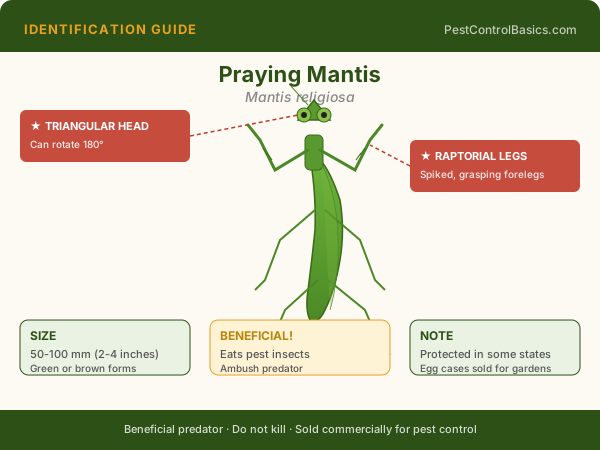
Praying Mantis identification guide illustration

Illustrated identification guide β€” PestControlBasics.com

πŸ” Identification

Adults: 60-100mm; green or brown; triangular head; raptorial forelegs for grasping prey; extraordinarily mobile neck (can rotate 180Β°). Found on garden plants and shrubs from July through fall. Egg cases (ootheca): foam-like masses on plant stems, about 40mm β€” overwintering stage. Sold commercially as egg cases for release.

🧬 Biology & Behavior

Praying mantises are generalist predators eating whatever they can catch: aphids, caterpillars, grasshoppers, beetles, flies β€” and also: bees, wasps, lady beetles, hover flies, and other beneficial insects. They're ambush hunters waiting for prey at flowers and on plants β€” which means they intercept pollinators as readily as pests. Scientific studies of mantis releases for pest control show inconsistent and generally disappointing results. They're wonderful to observe but aren't reliable pest management tools.

⚠️ Damage & Health Risk

Very minor: occasionally preys on honey bees at hive entrances in high mantis populations; this is ecologically minor but worth noting.

πŸ”§ DIY Treatment

No management needed β€” mantises are legally protected in some states despite being common. If commercially released: expect natural dispersal and some predation of beneficial insects. Observe and enjoy them as natural history rather than pest control tools.

πŸ‘· When to Call a Pro

Never warranted.

❓ FAQ

Are commercial praying mantis egg cases worth buying?
The evidence for mantis releases reducing pest populations is weak. The mantises disperse widely after hatching, eat whatever they catch (including beneficial insects), and cannibalize each other. They're interesting to observe but represent questionable value as pest control investment. Supporting natural populations through habitat diversity provides better long-term biological control.
Are praying mantises protected?
Some US states have state-level protections for praying mantises β€” primarily Connecticut, where the European mantis is protected by state law. Federal protection doesn't apply. Most of the 'protected' status in popular culture is myth β€” they're common insects. However, they're valuable garden visitors worth protecting regardless of legal status.

πŸ—ΊοΈ Geographic Range & Distribution

FactorDetails
U.S. RangeAll 50 states
Regional DetailFire ants limited to Southeast/Southwest. Carpenter ants: Northeast and Pacific Northwest. Pavement ants: nationwide. Argentine ants: California and South.

πŸ“… Treatment Timing Guide

Treating at the right time dramatically improves results. Pest control timed to the life cycle uses less product and achieves better long-term control.

PeriodAction
February–MarchApply perimeter treatment before spring colonies emerge.
June–AugustPeak foraging season β€” bait stations most effective now.
SeptemberPre-winter perimeter treatment to prevent fall invasions.

πŸ’° Professional Treatment Costs

Service TypeDIY CostProfessional Cost
Initial inspectionFree (self-inspect)$75–$150 (often credited to treatment)
One-time treatment$30–$100 in materials$150–$500
Annual service contractN/A$400–$900/year
Severe infestationOften ineffective alone$500–$2,500+

Prices vary by region, property size, and infestation severity.

❓ Common Questions About πŸ¦— Praying Mantis

How do I confirm I actually have this pest (not something similar)?
The most reliable confirmation is a physical specimen β€” capture one and compare to reference images on this page. For cryptic pests (bed bugs, termites), look for secondary signs: frass, shed skins, mud tubes, or bites with a specific pattern. When uncertain, a professional inspection is faster than months of misidentification.
Can I treat this myself or do I need a professional?
DIY is effective for small, accessible infestations caught early. Professionals are worth the cost when: the infestation is inside wall voids or structural elements, multiple rooms are affected, you have health-risk pests (hantavirus, venomous species), or DIY has already failed twice.
How long until the infestation is completely gone?
Expect 3–8 weeks for most infestations with proper treatment. Insects with dormant life stages (pupae, eggs) extend the timeline because those stages are impervious to most insecticides. Follow-up treatments at 2 and 4 weeks catch each new cohort as they emerge.
What's the most common mistake people make treating this pest?
Treating only the visible pest population while ignoring the harborage site, entry point, or breeding location. Killing adults provides temporary relief but the population rebuilds from hidden egg cases, pupae, or new arrivals through unaddressed entry points.

πŸ“š More on This Topic

Related guides and profiles:

πŸ”— Hantavirus β€” Safe Rodent CleanupπŸ”— Red ImportedFire AntπŸ”— Pavement, Odorous House, Argentine & Little Black AntsπŸ”— 🐜 Odorous House Ant (OHA)
πŸ“š Sources: Texas A&M Fire Ant Project Β· EPA Safe Pest Control
Published: Jan 1, 2025 Β· Updated: Apr 7, 2026

πŸ—ΊοΈ US Distribution β€” Praying Mantis

image/svg+xml
Common Occasional Not Present
States Present
14
Occasional
11
Primary Region
Southeast US
πŸ“Š Source: University extension services, USDA, CDC vector data, and published entomological surveys.