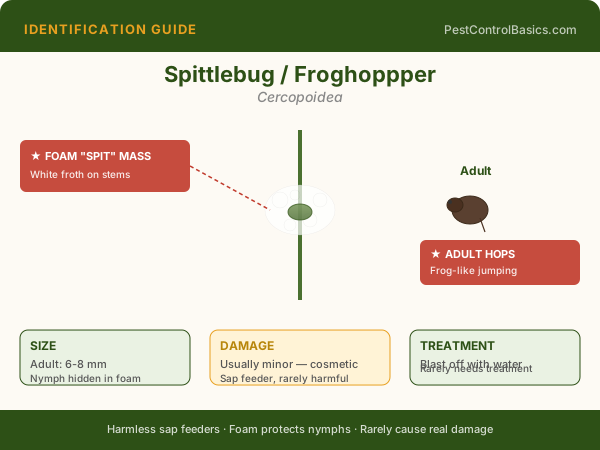
Illustrated identification guide — PestControlBasics.com
🔍 Identification
Nymphs: yellow-green; 3-7mm; hidden inside the white frothy 'spittle' mass on plant stems (early summer). Adults: grey-brown or mottled; 6-7mm; jump strongly when disturbed — called 'froghoppers' in the UK for this jumping ability. Found on strawberries, ornamental grasses, clover, lavender, rosemary, and many other plants.
🧬 Biology & Behavior
Nymphs produce the foam by forcing air through their abdominal fluid — the foam provides protection from predators and prevents desiccation. One nymph per foam mass typically. Adults jump when disturbed. One generation per year in most regions.
⚠️ Damage & Health Risk
Feeding causes wilting, stunting, and distorted growth in host plants. Established plants typically tolerate some spittlebug feeding. Strawberry yield can be reduced in severe infestations. Less economically significant than many other pests but can be cosmetically unacceptable in ornamental gardens.
🔧 DIY Treatment
Blast with water — this knocks nymphs out of the foam and exposes them to desiccation and predators. Neem oil or insecticidal soap applied directly to the foam mass. Hand remove foam masses. Natural predators (parasitoid wasps) control populations in areas with good biological diversity.
👷 When to Call a Pro
Rarely warranted alone.