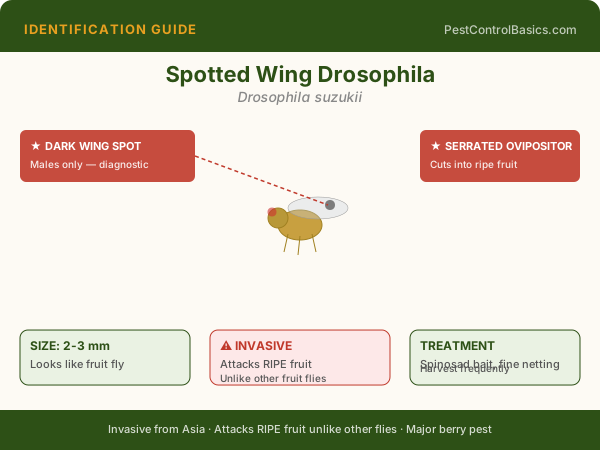
Illustrated identification guide — PestControlBasics.com
🔍 Identification
3-4mm; similar to common fruit fly but males have a distinctive BLACK SPOT on each wing — the definitive ID feature. Females have a serrated, saw-like ovipositor visible under magnification. Found on healthy ripe fruit; common fruit flies require damaged or rotting fruit. Range: now established throughout the US, particularly destructive in Pacific Coast states and Northeast berry regions.
🧬 Biology & Behavior
Females cut into ripe or ripening fruit with their serrated ovipositor and lay eggs inside. Larvae hatch inside the fruit, rendering it unmarketable within days. A single female can deposit 350 eggs over her lifetime. Multiple generations per season; populations build rapidly in cool, wet conditions. Major pest of: strawberries, blueberries, raspberries, cherries, grapes, figs.
⚠️ Damage & Health Risk
Fruit becomes soft, watery, and inedible as larvae feed inside. Infested fruit is unmarketable. Losses of 20-40% in berries are common in high-pressure years; complete crop losses documented in severe infestations.
🔧 DIY Treatment
Exclude with fine mesh berry netting (covers plants during ripening). Spinosad spray (most effective, OMRI listed) applied weekly beginning when first fruit colors. Pyrethrin spray as backup. Kaolin clay reduces egg-laying. Harvest frequently — don't leave ripe fruit on plant. Remove overripe and dropped fruit immediately.
👷 When to Call a Pro
Commercial berry operations use IPM monitoring programs with SWD-specific pheromone traps to time weekly spray applications.