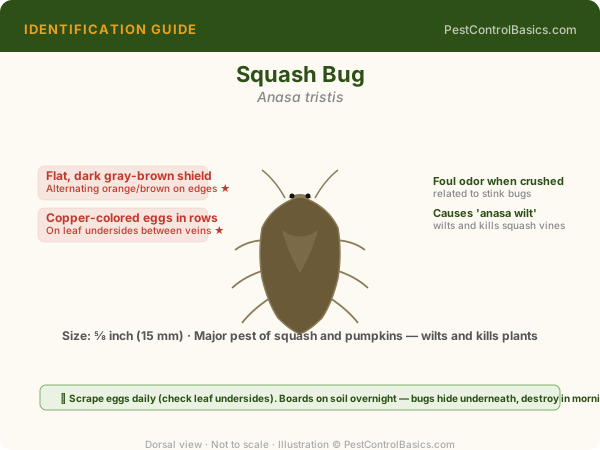
Original illustration by PestControlBasics.com. Use the labeled features above to confirm your identification.
🔍 Identification
Adults: 16-18mm; flat; brown-grey; shield-shaped; unpleasant odor when crushed. Eggs: bronze, laid in clusters of 15-40 on the underside of squash leaves, arranged in neat rows. Nymphs: light green when young, becoming grey-brown with age. Found specifically on squash, pumpkins, cucumbers, and other cucurbits — rarely found on other plants.
🧬 Biology & Behavior
Adult squash bugs overwinter in debris, boards, and bark near the garden. They emerge in spring when squash vines begin growing and mate on the host plant. Eggs are laid in June-July in orderly clusters on leaf undersides — these are the target stage for control. Adults have a waxy cuticle and behavioral adaptations (hiding under vines during daylight) that make them extremely difficult to kill with contact insecticides. Nymphs are significantly easier to kill than adults.
⚠️ Damage & Health Risk
Wilting and vine death from feeding damage (inject toxic saliva that blocks water transport); complete crop loss in heavy infestations; squash vine borer confusion (both cause wilting but different mechanisms).
🔧 DIY Treatment
Find and destroy egg clusters under leaves — check every 3 days during June-July. Trap adults under boards overnight and destroy in the morning. Kaolin clay applied to undersides of leaves deters egg laying. For young nymphs: pyrethrin spray is effective. Row cover early in season prevents adult access to plants for egg laying.
👷 When to Call a Pro
Spinosad spray on young nymphs is the most effective chemical treatment — adults are largely resistant to most registered pesticides.