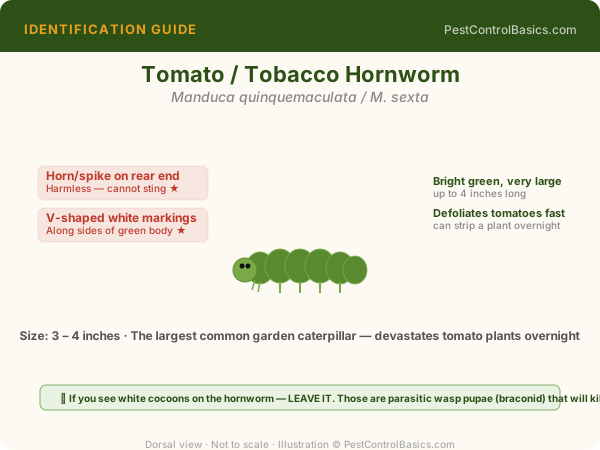
Original illustration by PestControlBasics.com. Use the labeled features above to confirm your identification.
🔍 Identification
Large: up to 4 inches (10cm) long at maturity; bright green with white diagonal stripes and a distinctive horn at the rear end. Perfectly camouflaged against tomato stems and leaves. Found on tomato, pepper, eggplant, and potato plants.
Braconid wasp parasitism: If you find a hornworm covered in small white rice-grain-like objects on its back — leave it alone. Those are braconid wasp pupae. The wasp larvae will kill the hornworm and the adult wasps will parasitize more pests in your garden.
🧬 Biology & Behavior
The adult stage is the five-spotted hawk moth — a large, hummingbird-like moth that feeds on flower nectar. Females lay eggs on tomato foliage. Larvae grow rapidly through 5 instars before dropping to soil to pupate. One to two generations per year depending on climate.
⚠️ Damage & Health Risk
Rapid, severe defoliation of tomatoes, peppers, and eggplant. A single large hornworm can strip a branch overnight. Fruit is sometimes attacked directly.
🔧 DIY Treatment
Hand-pick: check plants in early morning or evening when hornworms are most visible. Look for dark frass pellets on leaves — the frass leads up to the caterpillar. Apply Bt (Bacillus thuringiensis var. kurstaki) spray — kills caterpillars within 24-48 hours with no risk to other wildlife. Spinosad spray is also highly effective. Leave parasitized hornworms in place.
👷 When to Call a Pro
Rarely warranted — hornworms are easily managed with organic Bt treatments.