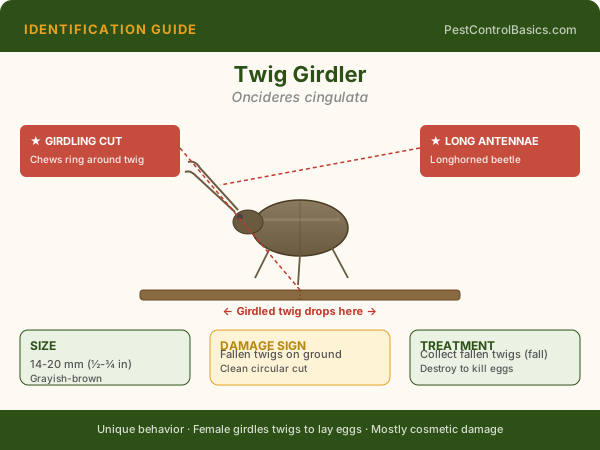
Illustrated identification guide — PestControlBasics.com
🔍 Identification
Adults: 15-25mm; brown; long antennae (cerambycid); mottled grey-brown color for camouflage. Found on host trees late summer-fall. The girdled branches on the ground are the primary evidence — the adult beetles are rarely seen. Hosts: pecan, oak, hickory, elm, persimmon, and other deciduous trees.
🧬 Biology & Behavior
Female twig girdlers chew a clean ring around small branches (pencil to finger thickness) before laying eggs in the branch beyond the girdle. The girdle kills the branch, which then falls. The larva develops inside the dead fallen branch over winter. Adults emerge the following summer. The key biological point: the larva develops in the FALLEN branch, not in the standing tree.
⚠️ Damage & Health Risk
Cosmetic dieback from girdled branches; some structural weakening if main scaffold branches are girdled; economic damage in pecan orchards.
🔧 DIY Treatment
The most important control: collect and destroy all fallen girdled branches from September through spring before adults emerge. This removes the eggs and larvae before they complete development. Pyrethroid spray to trunk and scaffold branches in August-September to kill adult females before girdling. No soil treatment needed.
👷 When to Call a Pro
For pecan orchards with significant twig girdler pressure, professional timing of trunk sprays in late summer is economically worthwhile.