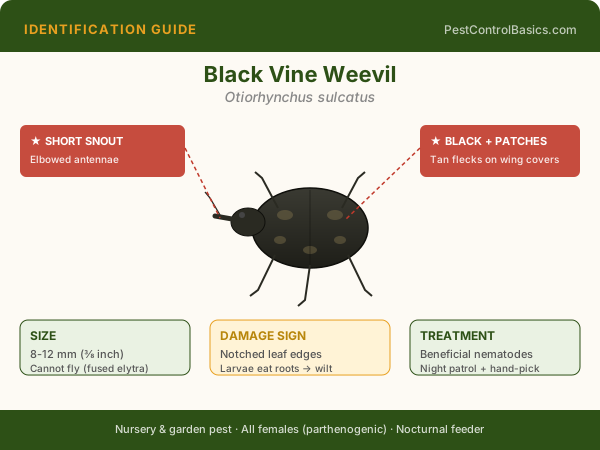
Illustrated identification guide — PestControlBasics.com
🔍 Identification
Adults: 8-10mm; dull black with yellowish-grey flecks; cannot fly; distinctive elbowed antennae; all individuals are female (parthenogenetic — no males). Found feeding on leaves at night. Leaf damage: distinctive semicircular notches along leaf margins — diagnostic. Grubs: C-shaped; cream-white; legless-looking; found in potting soil around root zones.
🧬 Biology & Behavior
Vine weevil is a significant pest of container plants including: rhododendron, azalea, camellia, strawberry, Heuchera, cyclamen, and many others. Adults lay hundreds of eggs in potting soil from July through October. Grubs hatch and feed on roots through fall and winter, killing plants from below. All adults are female — no males needed for reproduction, making population control challenging.
⚠️ Damage & Health Risk
Complete root destruction killing container plants; collapse of seemingly healthy plants with no warning; economic losses in commercial nursery production.
🔧 DIY Treatment
Beneficial nematodes (Steinernema kraussei or Heterorhabditis megidis) watered into potting soil in September is the most effective organic management. Apply when soil temperature is above 41°F. Sticky barriers around pot rims reduce adult access. Inspect root zones of new container plants before purchase.
👷 When to Call a Pro
Commercial nursery: nemasys/steinernema applications in August-September plus sticky traps and barrier programs at high-value container crop sites.