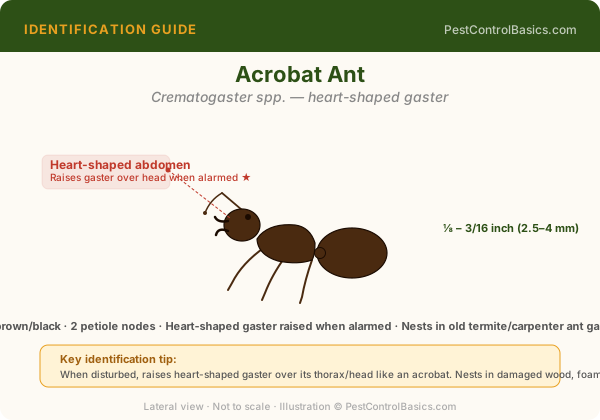
Original illustration by PestControlBasics.com. Use anatomical labels above to confirm your identification.
🔍 Identification
2-3mm; light brown to black; distinctive heart-shaped (cordate) abdomen that's flattened on top. Raised abdomen posture when disturbed is unique and unmistakable. Found along structural edges, in wood, and foraging in trails. May be confused with carpenter ants but much smaller.
🧬 Biology & Behavior
Acrobat ants nest in moist, damaged wood — rotting stumps, wood damaged by moisture or other insects, and sometimes in foam insulation boards. They're known for removing foam insulation between wall studs (following carpenter ant tunnels or insulating foam cavities). Workers forage for sweets and proteins.
⚠️ Damage & Health Risk
Structural nuisance; in some cases, foam insulation damage when ants remove material to expand nest space; indicator of moisture-damaged wood that needs attention; potential staining from formic acid spray.
🔧 DIY Treatment
Find and address the moisture source first. Apply gel bait (Advion) to foraging trails. Delta Dust or CimeXa into wall voids where nests are suspected. Perimeter spray of bifenthrin. The moisture source must be corrected or the ants return.
👷 When to Call a Pro
For significant foam insulation damage or large structural infestations in walls, professional assessment of the extent of damage and targeted treatment is worthwhile.