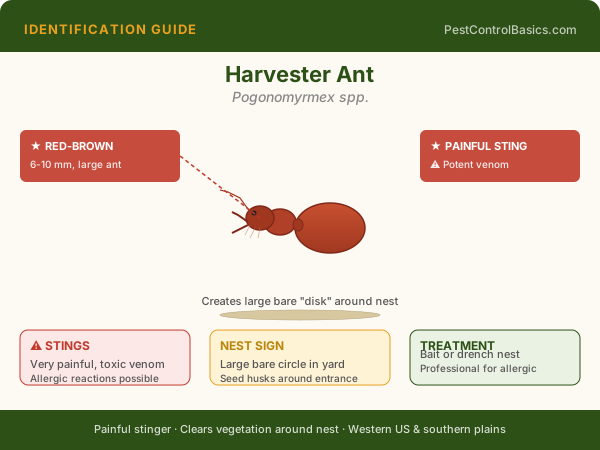
Illustrated identification guide — PestControlBasics.com
🔍 Identification
Large: 8-12mm; reddish-brown to dark red; robust build; distinctive circular cleared zone (up to 3-foot radius) of bare soil around mound entrance. Found in dry open areas — lawns, roadsides, desert landscapes. Several species in western and southern US. Not to be confused with fire ants (smaller, dome-shaped mounds).
🧬 Biology & Behavior
Harvester ants are granivores — they collect and store seeds underground. The cleared zone around mounds results from workers removing plants to prevent shading of the mound entrance. They are not aggressive unless the mound is disturbed, but stings when provoked rank #3 on the Schmidt Pain Index alongside velvet ants.
⚠️ Damage & Health Risk
Bare patches in lawns and landscapes from clearing activity; painful stings if mound is disturbed; aesthetic damage from mound locations in turf.
🔧 DIY Treatment
Amdro Ant Bait (hydramethylnon) applied directly around the mound opening — workers carry it below. Orthene (acephate) applied around the mound opening. Direct treatment with fipronil or bifenthrin drench for rapid control. Avoid disturbing mounds during treatment — wear protective footwear.
👷 When to Call a Pro
For large properties or multiple mounds, professional broadcast bait applications provide more economical control.