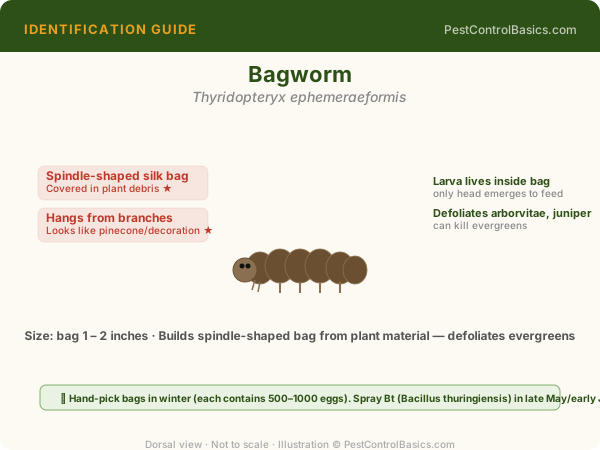
Original illustration by PestControlBasics.com. Use the labeled features above to confirm your identification.
🔍 Identification
Larvae inside bags: 25mm at maturity; cream to brown. The bag: cone-shaped, 30-50mm; constructed from silk interwoven with fragments of plant material from the host plant — making it match the host perfectly and very difficult to spot. Overwinter as eggs inside bags from the previous female. New bags: tiny (6-12mm) in late May-June when most vulnerable to Bt. Mature bags: 30-50mm in August-September.
🧬 Biology & Behavior
Each bag contains one caterpillar. Female moths are wingless — they never leave the bag. Mated females lay 500-1,000 eggs inside the bag then die. Eggs overwinter and hatch in late May-June. Larvae immediately begin constructing new bags. Males: small moths that fly and find bags for mating in fall.
⚠️ Damage & Health Risk
Defoliation of host plants (especially arborvitae, juniper, red cedar, pine, spruce); plant death after 2-3 consecutive severe infestations; unsightly bag accumulations; replacement of killed evergreens can cost thousands.
🔧 DIY Treatment
Bt kurstaki spray in early June when bags are tiny (under 1/2 inch) — most effective treatment window. Spinosad spray also effective on young larvae. Hand-pick and destroy bags in fall through spring (destroys overwintering eggs — prevent next year's infestation). Mature bags (August) are resistant to Bt — mechanical removal is the primary option.
👷 When to Call a Pro
For large or valuable trees, professional spray application with appropriate equipment provides better coverage than homeowner sprayers.