πŸͺ° Blow Fly & Bottle Fly

Calliphora / Lucilia / Phaenicia spp. Β· Diptera: Calliphoridae

Finding large, shiny metallic flies buzzing at specific windows or in a specific room almost always indicates a dead animal nearby. The blow fly is often the detective that solves the mystery.

FlyCalliphoridaeDead AnimalForensicDipteraIndicator Species
πŸͺ°
Risk Level
Forensic / Nuisance Indicator
πŸ“ FIELD GUIDE ILLUSTRATION
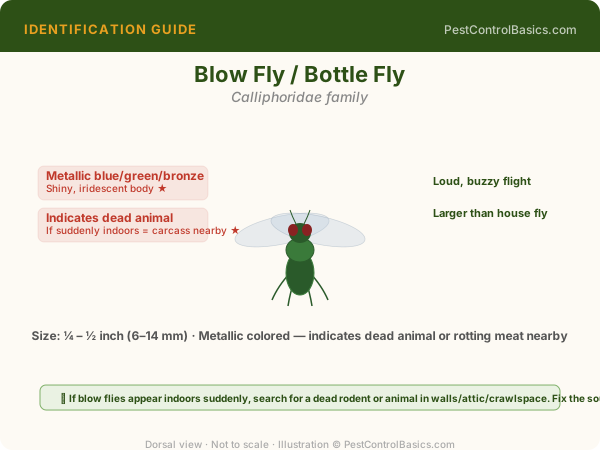
Blow fly (Calliphoridae) identification illustration with labeled anatomical features β€” PestControlBasics.com

Original illustration by PestControlBasics.com. Use the labeled features above to confirm your identification.

πŸ”¬
PestControlBasics Editorial Team
Reviewed by Derek Giordano Β· Updated 2026

πŸ” Identification

8-15mm; metallic blue-green or grey; shiny; distinctly larger than house flies. Found congregating at specific windows in a specific room β€” this location clustering is diagnostic of a nearby organic source. Multiple species: bluebottle (Calliphora): metallic blue. Green bottle (Lucilia): brilliant metallic green. Grey blow fly: less metallic but larger.

🧬 Biology & Behavior

Blow flies are attracted to and breed in decomposing animal material β€” they're used in forensic entomology to estimate time of death. Finding large numbers inside a building clustered at one location almost always means a dead animal (mouse, rat, squirrel, bird) in a wall void, chimney, or attic. They're also significant maggot therapy insects used to treat necrotic wounds.

⚠️ Damage & Health Risk

Nuisance swarming at windows; the dead animal source creates ongoing odor problem; finding and removing the animal is the only real solution.

πŸ”§ DIY Treatment

Find the dead animal. Inspect the area where flies are congregating β€” check for any openings to wall voids, attics, or crawl spaces. If the animal can be accessed, remove and seal the area. If it cannot be reached: apply odor-eliminating products, increase ventilation, and wait 2-3 weeks for the carcass to dry and odor to dissipate. Treat the room with fly traps.

πŸ‘· When to Call a Pro

For inaccessible wall void carcasses, pest control professionals may be able to drill access holes, remove the carcass, and treat for secondary pests (dermestid beetles that colonize carcasses).

❓ FAQ

Why are blow flies clustering at my window?
Blow flies orient toward light after emerging from a dark breeding site (like a wall void). The window is where they concentrate trying to exit. The breeding source (usually a dead animal) is typically within 15-30 feet of where the flies are found β€” and in the direction away from the window.
How long will the dead animal problem last?
A mouse in a wall void causes noticeable odor for 1-2 weeks; a rat for 2-4 weeks. Fly activity peaks within the first 5 days. After the carcass dries, blow fly activity stops. If the dead animal is inaccessible, patience and ventilation are often the only options β€” but secondary pests (dermestid beetles) will colonize the dried remains.
πŸ“š Sources: EPA Safe Pest Control Β· NPMA Pest Guide
Published: Jan 1, 2025 Β· Updated: Apr 7, 2026

πŸ—ΊοΈ US Distribution β€” Blow Fly & Bottle Fly

image/svg+xml
Common Occasional Not Present
States Present
49
Occasional
2
Primary Region
Continental US
πŸ“Š Source: University extension services, USDA, CDC vector data, and published entomological surveys.