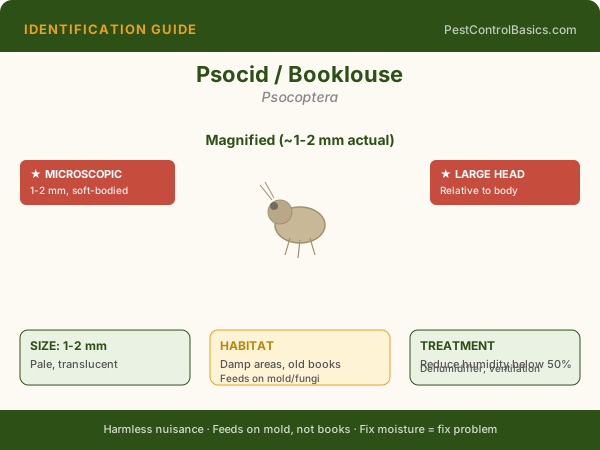
Illustrated identification guide — PestControlBasics.com
🔍 Identification
0.5-2mm; soft-bodied; pale cream to grey; large head relative to body; no wings (domestic species); 6 legs; found in books, stored food, cardboard, and on walls in humid conditions. Rapid movement distinguishes them from static debris. Not the same as lice — cannot bite or infest humans.
🧬 Biology & Behavior
Booklice feed on mold, yeast, and starchy organic materials. They require 60%+ relative humidity to survive and reproduce. Infestations in new construction are common — new concrete, drywall, and lumber release moisture during curing, creating temporarily elevated humidity. Infestations resolve naturally as the building dries out. In established homes, persistent booklice indicate an ongoing humidity problem.
⚠️ Damage & Health Risk
Minor damage to book pages and food packaging; large numbers in humid conditions; psychological concern from small moving insects.
🔧 DIY Treatment
Reduce humidity below 50% with dehumidifiers and improved ventilation. In new construction, run HVAC and provide ventilation during the drying period. Store books in less humid areas. No pesticide treatment is warranted or effective long-term without addressing humidity.
👷 When to Call a Pro
Never warranted — humidity control is the complete solution.