πŸ› House Centipede

Scutigera coleoptrata Β· Chilopoda: Scutigeridae

The house centipede is the most alarming-looking beneficial creature in North American homes. Fifteen pairs of legs, lightning speed, and nocturnal emergence β€” and it's hunting your pests.

CentipedeBeneficialHouse CentipedePredatorChilopodaScary but Helpful
πŸ›
Risk Level
Beneficial Predator
πŸ“ FIELD GUIDE ILLUSTRATION
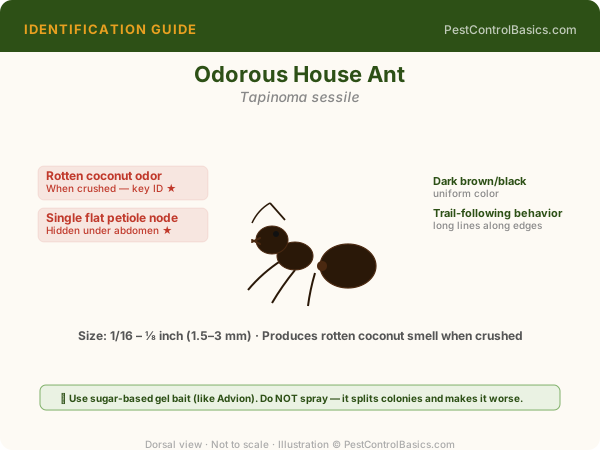
Odorous House Ant (Tapinoma sessile) identification illustration with labeled anatomical features β€” PestControlBasics.com

Original illustration by PestControlBasics.com. Use anatomical labels above to confirm your identification.
πŸ“ FIELD GUIDE ILLUSTRATION
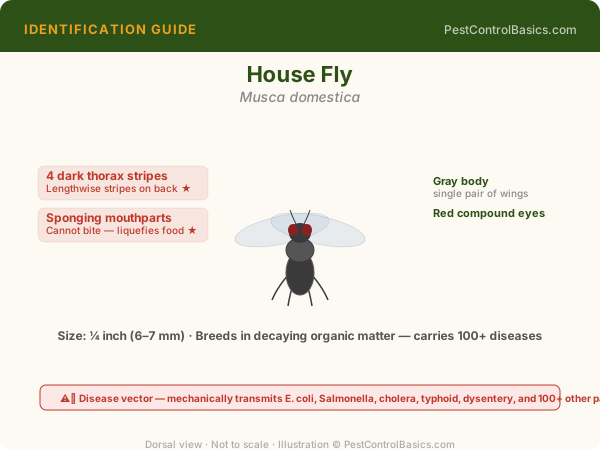
House Fly (Musca domestica) identification illustration with labeled anatomical features β€” PestControlBasics.com

Original illustration by PestControlBasics.com. Use anatomical labels above to confirm your identification.
πŸ“ FIELD GUIDE ILLUSTRATION
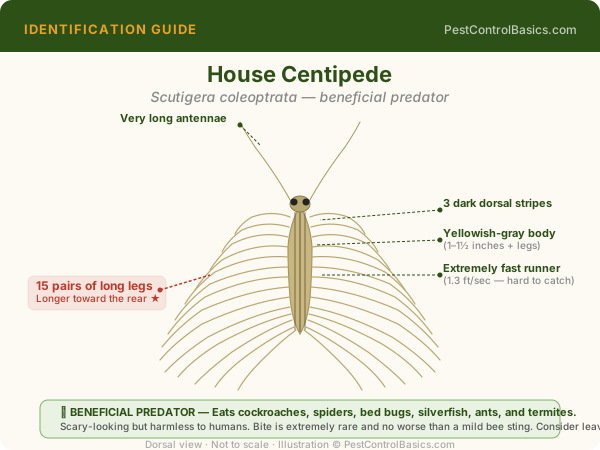
House centipede (Scutigera coleoptrata) identification illustration with labeled anatomical features β€” PestControlBasics.com

Original illustration by PestControlBasics.com. Use anatomical labels above to confirm your identification.

πŸ”¬
PestControlBasics Editorial Team
Reviewed by Derek Giordano Β· Updated 2026

πŸ” Identification

25-35mm body; 15 pairs of very long, banded legs (30 legs total); yellow-grey with dark stripes; extremely fast; prominent compound eyes and long antennae. Found in basements, bathrooms, and anywhere prey is abundant. Nocturnal β€” emerges from wall voids at night to hunt. Freezes when startled, then bursts into rapid movement. The extra-long legs create an exaggerated appearance.

🧬 Biology & Behavior

House centipedes are generalist predators hunting: cockroaches, silverfish, spiders, moths, earwigs, and small flies. A single house centipede can consume dozens of insects per week. They've lived commensally with humans worldwide for centuries β€” they specifically evolved to exploit the pest-rich environment of human structures. They can bite defensively when directly grabbed but the bite is mild (compared to a bee sting) and not medically significant.

⚠️ Damage & Health Risk

Psychological distress from alarming appearance. No physical damage. The presence of house centipedes indicates the presence of the pest insects they hunt β€” the centipedes are a symptom, not the cause.

πŸ”§ DIY Treatment

If centipede numbers are high, address the underlying prey population (cockroaches, silverfish). Reducing moisture reduces prey and centipede habitat. Bifenthrin perimeter spray reduces numbers. But consider: allowing house centipedes in basements and utility spaces provides free pest control service continuously.

πŸ‘· When to Call a Pro

Rarely warranted β€” centipedes indicate other pest problems are the priority.

❓ FAQ

Do house centipedes bite?
Rarely, and only when directly grabbed or threatened. The bite is a mild pinch, comparable to a mild bee sting, with brief local pain. House centipedes have no interest in biting humans and will flee at speed rather than stand and fight. They cannot cause serious injury to healthy adults.
Should I kill house centipedes?
This is a personal choice, but the pest control perspective: house centipedes are excellent free pest control. If you can tolerate their alarming appearance, they provide continuous hunting of cockroaches, silverfish, spiders, and other pests in basement and utility areas. Killing them reduces a natural control mechanism. If you find them frequently in living areas, address the prey population (usually moisture-dependent insects) rather than the centipedes.

πŸ“š More on This Topic

Related guides and profiles:

πŸ”— πŸ› Centipede vs. MillipedeπŸ”— πŸ› House CentipedeπŸ”— πŸ› House Centipede β€” Complete Guide
πŸ“š Sources: EPA Cockroach Control Β· CDC Cockroach Allergens
Published: Jan 1, 2025 Β· Updated: Apr 7, 2026

πŸ—ΊοΈ US Distribution β€” House Centipede

image/svg+xml
Common Occasional Not Present
States Present
51
Occasional
0
Primary Region
All 50 states (indoor pest)
πŸ“Š Source: University extension services, USDA, CDC vector data, and published entomological surveys.