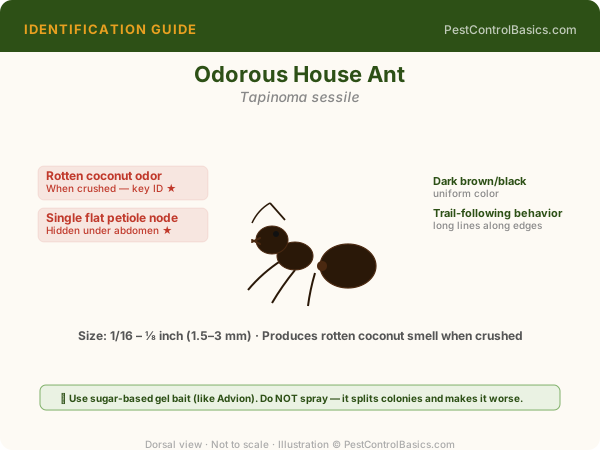
Original illustration by PestControlBasics.com. Use anatomical labels above to confirm your identification.
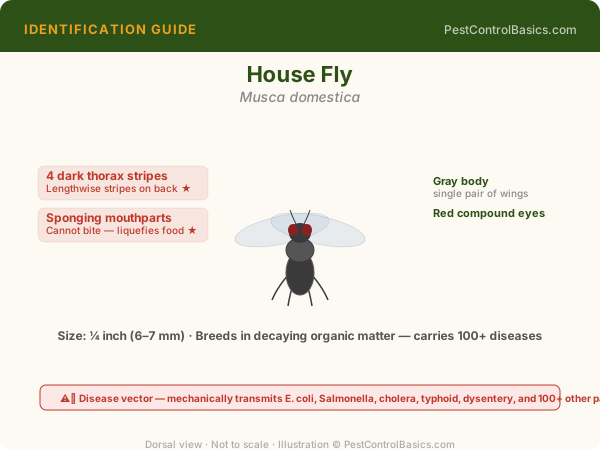
Original illustration by PestControlBasics.com. Use anatomical labels above to confirm your identification.
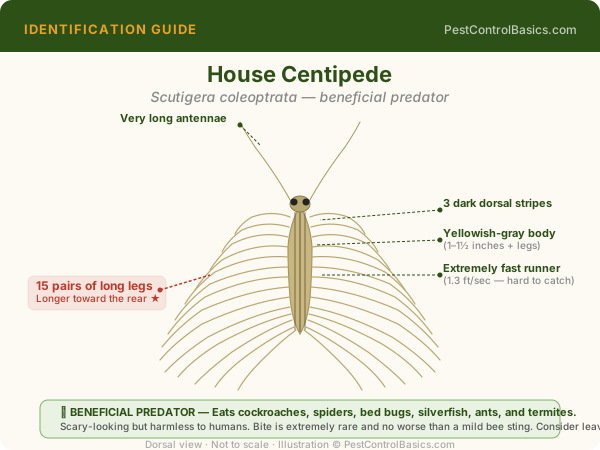
Original illustration by PestControlBasics.com. Use anatomical labels above to confirm your identification.
🔍 Identification
Adults: 25-35mm body; 15 pairs of very long legs; striped yellow-grey; enormous compound eyes; moves extremely fast. Cannot damage structures, food, or clothing. Found in bathrooms, basements, and damp areas where prey concentrates. Long antenna-like rear legs can be mistaken for extra body segments.
🧬 Biology & Behavior
House centipedes are predators — they hunt and kill cockroaches, silverfish, carpet beetles, flies, and spiders. They appear in bathrooms not for moisture directly but because their prey concentrates there. They cannot bite humans in practical circumstances (tiny mouthparts can't pierce skin except in rare deliberate handling). A house centipede is evidence of a healthy predator-prey relationship inside the structure — and often indicates other insects are present as prey.
⚠️ Damage & Health Risk
Zero structural damage. Psychological distress from appearance and speed. Rarely: a minor pinch if deliberately handled roughly.
🔧 DIY Treatment
If population is large: address the moisture and prey that sustains them (dehumidifier, address cockroach or silverfish activity). Bifenthrin perimeter spray reduces prey availability. Sticky traps confirm what prey is present.
👷 When to Call a Pro
Never warranted specifically for centipedes.