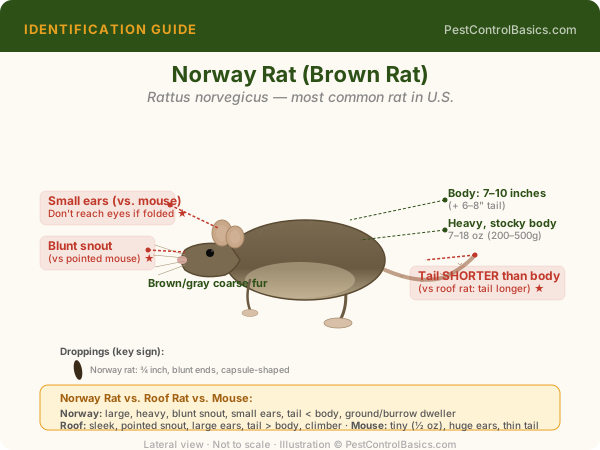
Original illustration by PestControlBasics.com. Use anatomical labels above to confirm your identification.
🔍 Identification
Adults: 350-500g; 20-25cm body + 17-20cm tail; grey-brown with pale underside; small ears; blunt nose; tail shorter than body (vs roof rat's tail longer than body). Territory: 50-150 meter radius from burrow system; strong home range fidelity — rats return to familiar routes. Neophobia: rats are intensely suspicious of new objects in familiar territory, requiring 1-3 days before accepting new bait stations or traps.
🧬 Biology & Behavior
Reproductive rate: sexually mature at 3 months; gestation 21-23 days; 6-12 pups per litter; 5-6 litters per year; average wild lifespan 1-2 years but high reproductive rate compensates. One mated pair → up to 2,000 descendants in one year under ideal conditions. This explains why rat populations recover within weeks of treatment that doesn't address the entire population. Social structure: dominance hierarchies within colonies; dominant males access food first — bait placement at prime feeding locations increases dominant rat exposure.
⚠️ Damage & Health Risk
Food contamination; structural damage from gnawing; fire risk from wire chewing; flea and disease transmission; psychological distress; agricultural and food storage losses.
🔧 DIY Treatment
Account for neophobia — introduce traps and bait stations 3-5 days before loading or baiting them; rats will investigate during this prebait period. Snap traps perpendicular to walls in established rat runs. Bait stations along travel routes, not in open areas. Exclusion work simultaneously with population reduction.
👷 When to Call a Pro
For large-scale infestations: professional integrated rodent management program combining initial bait knock-down with exclusion work and ongoing monitoring.