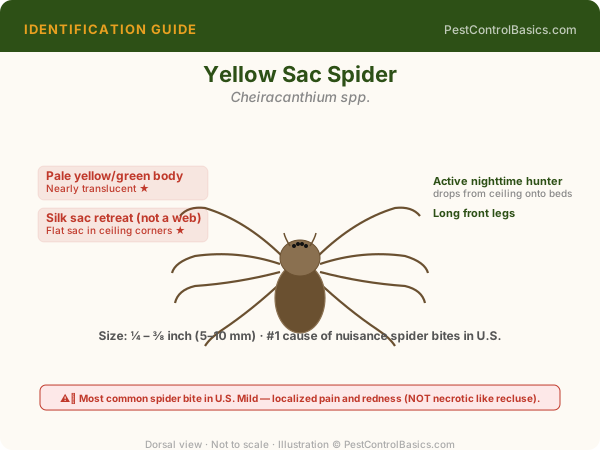
Original illustration by PestControlBasics.com. Use anatomical labels above to confirm your identification.
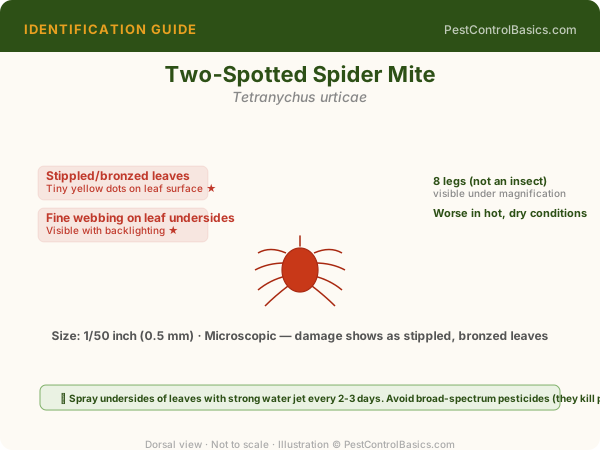
Original illustration by PestControlBasics.com. Use anatomical labels above to confirm your identification.
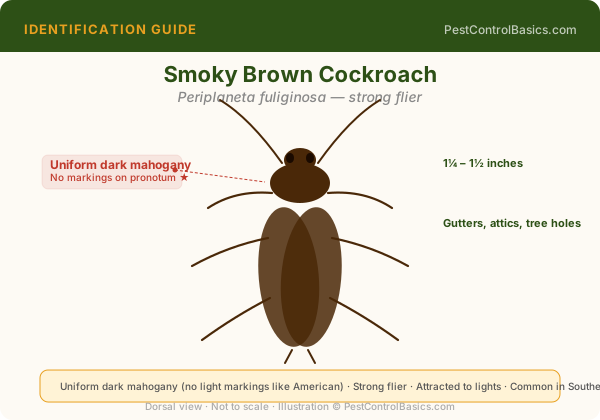
Original illustration by PestControlBasics.com. Use anatomical labels above to confirm your identification.
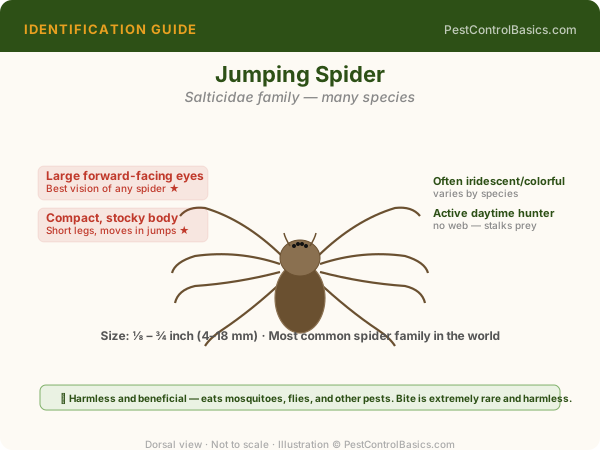
Original illustration by PestControlBasics.com. Use anatomical labels above to confirm your identification.
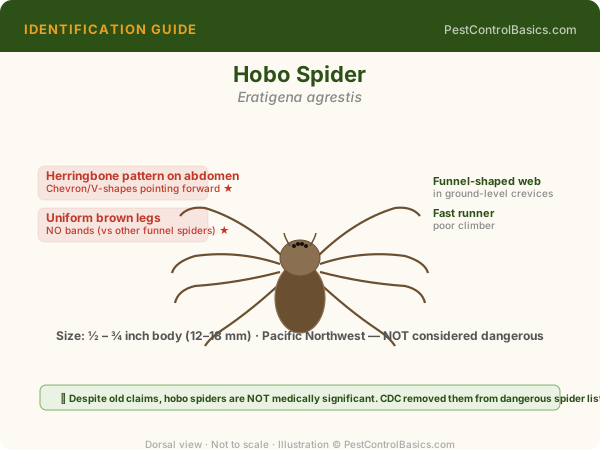
Original illustration by PestControlBasics.com. Use anatomical labels above to confirm your identification.
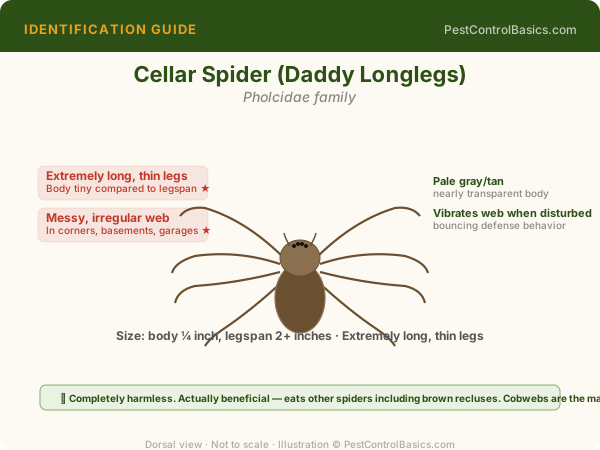
Original illustration by PestControlBasics.com. Use anatomical labels above to confirm your identification.
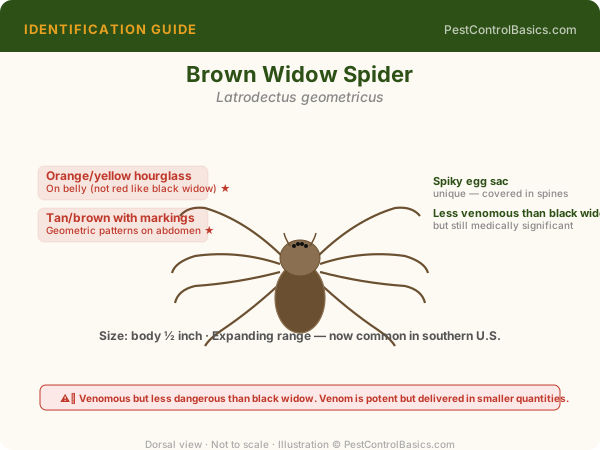
Original illustration by PestControlBasics.com. Use anatomical labels above to confirm your identification.
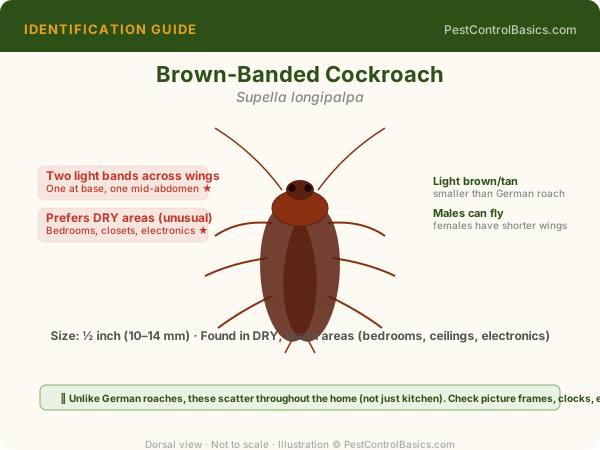
Original illustration by PestControlBasics.com. Use anatomical labels above to confirm your identification.
🔍 Identification
This page addresses misconceptions rather than standard identification. For species identification: adult brown recluses have 6 eyes in 3 pairs (most spiders have 8 eyes), a violin-shaped marking on the cephalothorax, and are 8-15mm body length with uniformly-colored abdomen. The 6-eye pattern is the single most reliable diagnostic feature.
🧬 Biology & Behavior
Myth 1: Brown recluses are found throughout the US. Reality: verified range is the central and south-central US — not established in the Pacific states or New England. Myth 2: Any necrotic wound is a brown recluse bite. Reality: MRSA and other staph infections cause identical-looking necrotic wounds and are dramatically more common than verified recluse bites. Myth 3: Brown recluses are aggressive. Reality: 'recluse' is accurate — they hide and bite only when pressed against skin. Myth 4: There are brown recluses in my area even though they're not listed. Reality: geographic range data from entomological surveys is highly reliable.
⚠️ Damage & Health Risk
Fear and misidentification leading to incorrect medical treatment; unnecessary pesticide applications for non-recluse spiders; missed diagnosis of MRSA or Lyme disease causing necrotic wound.
🔧 DIY Treatment
In verified range: sticky trap monitoring along walls; reduce clutter; professional void treatment if confirmed activity. Outside verified range: if a necrotic wound is diagnosed as 'spider bite,' request MRSA culture — this is the most common actual cause of such wounds in areas without recluse populations.
👷 When to Call a Pro
Sticky trap monitoring plus professional inspection is appropriate in the verified range. Outside the range, focus on other explanations for symptoms.