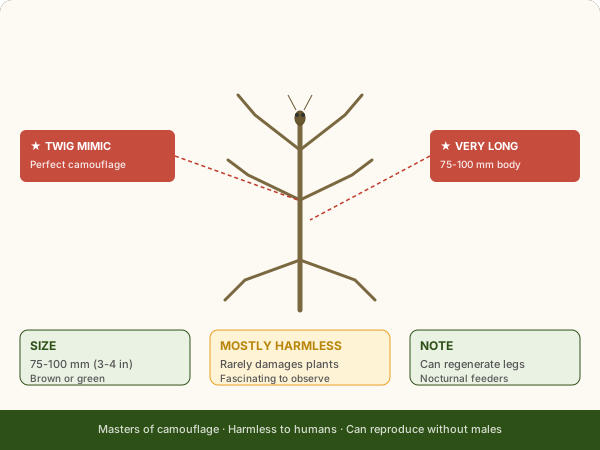
πŸ› Walking Stick Insect

Diapheromera femorata Β· Phasmatodea: Diapheromeridae

Walking sticks can reach densities of thousands per acre in outbreak years, causing visible defoliation of oaks. Despite their alarming size and numbers, they're harmless to humans and rarely kill established trees.

Walking StickPhasmatodeaHarmlessOakCamouflageOutbreak
πŸ›
Risk Level
Ornamental Defoliator
πŸ”¬
PestControlBasics Editorial Team
Reviewed by Derek Giordano Β· Updated 2026
Walking Stick Insect identification guide illustration

Illustrated identification guide β€” PestControlBasics.com

πŸ” Identification

Adults: 75-100mm; brown to green; extraordinarily twig-like in appearance; move very slowly; wingless (US species); 6 legs; found on oak, cherry, and black locust. Females much larger than males. Eggs resemble plant seeds and fall to the ground in fall. High populations every 3-5 years in outbreak cycles.

🧬 Biology & Behavior

Walking sticks feed primarily on oaks and cherry. In outbreak years, they can defoliate large sections of forest β€” but established trees typically refoliate and recover. They move slowly, have no chemical defenses (some species can spray mildly irritating secretion but most US species don't), and are completely harmless to handle. Fascinating to observe and highly educational for children.

⚠️ Damage & Health Risk

Cosmetic defoliation in outbreak years; rare tree death in combination with other stressors; psychological concern from large numbers; no structural or human health impact.

πŸ”§ DIY Treatment

For individual ornamental trees: Bt kurstaki spray when nymphs are young; permethrin spray for immediate knockdown. Most populations don't warrant treatment β€” natural outbreak cycles are self-limiting.

πŸ‘· When to Call a Pro

Systemic emamectin benzoate injection for high-value specimen trees in heavy outbreak years.

❓ FAQ

Are walking sticks harmful to my oak trees?
Established oak trees tolerate walking stick defoliation without long-term harm in most cases. They refoliate after defoliation. Younger trees (under 5 years) or trees already stressed by drought or disease have higher risk. Outbreak years are followed by natural population crashes β€” patience is often the right response.
Can walking sticks hurt people?
No β€” US walking stick species are completely harmless. They can't bite meaningfully, don't sting, and most don't spray any defensive secretion. Some species can produce a mild eye irritant if sprayed directly in the eye, but this is uncommon in US species. They're excellent insects for children to observe and handle gently.

πŸ—ΊοΈ Geographic Range & Distribution

FactorDetails
U.S. RangeAll 50 states
Regional DetailBlacklegged/deer tick: Northeast, Mid-Atlantic, Upper Midwest. Lone Star tick: Southeast. American dog tick: nationwide east of Rockies.

πŸ“… Treatment Timing Guide

Treating at the right time dramatically improves results. Pest control timed to the life cycle uses less product and achieves better long-term control.

PeriodAction
SpringInspection and perimeter treatment before pest season starts.
SummerActive monitoring and targeted treatments as needed.
FallPreventive treatment before overwintering pests seek entry.

πŸ’° Professional Treatment Costs

Service TypeDIY CostProfessional Cost
Initial inspectionFree (self-inspect)$75–$150 (often credited to treatment)
One-time treatment$30–$100 in materials$150–$500
Annual service contractN/A$400–$900/year
Severe infestationOften ineffective alone$500–$2,500+

Prices vary by region, property size, and infestation severity.

❓ Common Questions About πŸ› Walking Stick Insect

How do I confirm I actually have this pest (not something similar)?
The most reliable confirmation is a physical specimen β€” capture one and compare to reference images on this page. For cryptic pests (bed bugs, termites), look for secondary signs: frass, shed skins, mud tubes, or bites with a specific pattern. When uncertain, a professional inspection is faster than months of misidentification.
Can I treat this myself or do I need a professional?
DIY is effective for small, accessible infestations caught early. Professionals are worth the cost when: the infestation is inside wall voids or structural elements, multiple rooms are affected, you have health-risk pests (hantavirus, venomous species), or DIY has already failed twice.
How long until the infestation is completely gone?
Expect 3–8 weeks for most infestations with proper treatment. Insects with dormant life stages (pupae, eggs) extend the timeline because those stages are impervious to most insecticides. Follow-up treatments at 2 and 4 weeks catch each new cohort as they emerge.
What's the most common mistake people make treating this pest?
Treating only the visible pest population while ignoring the harborage site, entry point, or breeding location. Killing adults provides temporary relief but the population rebuilds from hidden egg cases, pupae, or new arrivals through unaddressed entry points.

πŸ“š More on This Topic

Related guides and profiles:

πŸ”— TicksπŸ”— πŸ•·οΈ Blacklegged (Deer) TickπŸ”— Blacklegged Tick (Deer Tick) Life CycleπŸ”— Lone Star Tick
πŸ“š Sources: CDC Tick Prevention Β· CDC Lyme Disease
Published: Jan 1, 2025 Β· Updated: Apr 7, 2026

πŸ—ΊοΈ US Distribution β€” Walking Stick Insect

image/svg+xml
Common Occasional Not Present
States Present
49
Occasional
2
Primary Region
Continental US
πŸ“Š Source: University extension services, USDA, CDC vector data, and published entomological surveys.