Illustrated identification guide — PestControlBasics.com
🔍 Identification
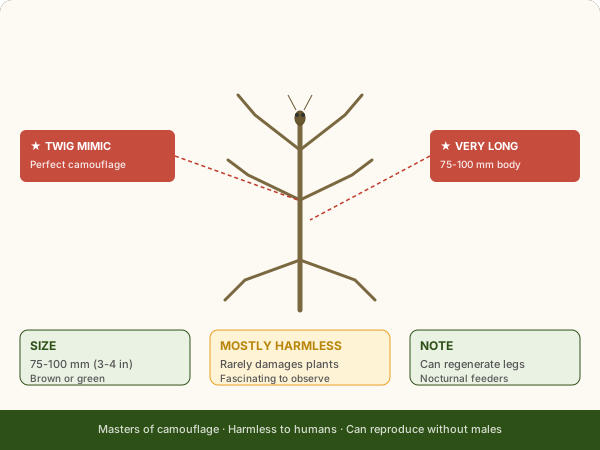
Adults: 75-100mm; brown to green; extraordinarily twig-like in appearance; move very slowly; wingless (US species); 6 legs; found on oak, cherry, and black locust. Females much larger than males. Eggs resemble plant seeds and fall to the ground in fall. High populations every 3-5 years in outbreak cycles.
🧬 Biology & Behavior
Walking sticks feed primarily on oaks and cherry. In outbreak years, they can defoliate large sections of forest — but established trees typically refoliate and recover. They move slowly, have no chemical defenses (some species can spray mildly irritating secretion but most US species don't), and are completely harmless to handle. Fascinating to observe and highly educational for children.
⚠️ Damage & Health Risk
Cosmetic defoliation in outbreak years; rare tree death in combination with other stressors; psychological concern from large numbers; no structural or human health impact.
🔧 DIY Treatment
For individual ornamental trees: Bt kurstaki spray when nymphs are young; permethrin spray for immediate knockdown. Most populations don't warrant treatment — natural outbreak cycles are self-limiting.
👷 When to Call a Pro
Systemic emamectin benzoate injection for high-value specimen trees in heavy outbreak years.