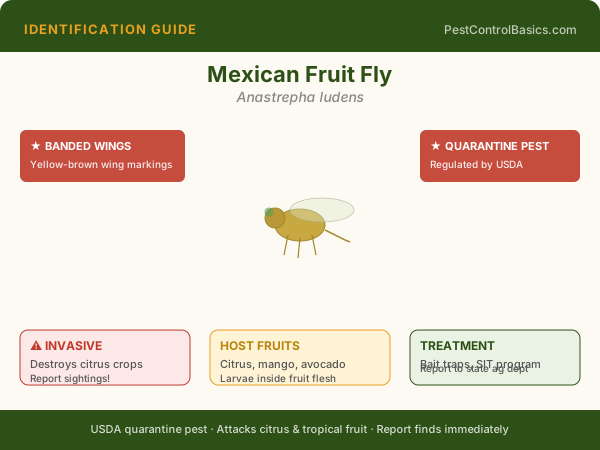
Illustrated identification guide — PestControlBasics.com
🔍 Identification
Adults: 10-12mm; yellow-orange with dark wing bands and distinctive W-shape on wings. Females have a long ovipositor. Maggots: cream-colored, legless, in fruit. Hosts: mango, grapefruit, orange, peach, apple, pear, and many other fruits. Damage: larvae inside fruit causing premature drop and rot; cosmetic damage visible only when fruit is cut open.
🧬 Biology & Behavior
Mexican fruit fly is a federally regulated quarantine pest — its establishment in the US triggers USDA APHIS detection and eradication programs. During active detections in Texas, California, and Florida, USDA may require homeowners in the quarantine area to allow fruit removal from their trees. Moving any host fruit out of a quarantine area is federally illegal. Detections occur periodically from infested fruit crossing the border.
⚠️ Damage & Health Risk
Economic losses in commercial fruit production; quarantine restrictions on fruit movement; required fruit removal from homeowner trees during active detection; potential for establishment if not eradicated.
🔧 DIY Treatment
Homeowner: do not move any fruit out of a declared quarantine area. Report suspicious fly damage (multiple larvae in fruit) to USDA APHIS or your county agricultural commissioner. In border counties: pick and bag all fallen fruit promptly — do not leave on the ground. USDA handles eradication through bait sprays and fruit removal.
👷 When to Call a Pro
USDA APHIS coordinates eradication with malathion bait spray programs and fruit stripping operations in quarantine zones.